
Decolonizing Therapy: What It Means & How It Can Help You Heal
If you've ever left a session feeling like something was missing, like your therapist didn't quite get you, you're not alone.
For many Black folks and people of color, traditional mental health services can feel disconnected from who we really are. Maybe you've noticed how your therapist's face changed when you mentioned your spiritual practices. Or perhaps you've felt the need to code-switch, to make yourself smaller, more palatable in the room.
That exhaustion you feel? It's real. And it's exactly why this work matters.
What Is Decolonizing Therapy?
Here's the reality: most of us in the field were trained from a Eurocentric standpoint.
The diagnostic methods we use, the treatment modalities we implement, even the ethics we're taught to practice by, none of it was designed with cultural elements, spiritual practices, or the full individualism of individuals of color in mind.
This approach is about addressing how colonization and systemic oppression have shaped mental health care. It's about taking out all the elements of colonizers that have oppressed us, harmed us, and continue to segregate us or diminish our value in society.
More than that, it's about putting back into the practice what was never considered important or valuable for folks of color in the first place.
The mental health field has long operated under the assumption that one approach fits all, but our lived realities tell a different story.
When we talk about our spiritual practices, our heritage, where we come from, the things that are rooted deeply in our communities, this means implementing all of that into how support and health guidance are actually given. It means you participate actively in shaping your own path, rather than following a predetermined treatment plan.
The History We Need to Understand
The field of psychology wasn't designed with us in mind.
Research and literature in psychiatry have largely excluded BIPOC populations, or worse - they've pathologized our natural responses to living under constant pressure.
Historical trauma, the effects of racism, and the impact of living under oppressive systems have been minimized or ignored entirely in traditional counseling programs.
When students enter graduate programs, they learn theories developed by faculty who were predominantly white, studying predominantly white subjects. The information they gain rarely incorporates ancestral wisdom or the elements of wellness that Black and brown folks have practiced for generations. This gap in training has influenced how care is delivered to this day. The training focuses on clinical aspects of treatment while often overlooking the cultural elements that shape how we understand wellness and healing.
Recently, there's been movement happening.
More leaders in the field are engaging with the work of decolonization, challenging the status quo, and addressing the harm caused by applying Western frameworks to non-Western lives. Recently, we've seen growing dialogue about power dynamics in clinical settings. Conversations about cultural humility have gained traction in professional circles. More clinicians are questioning long-held assumptions about what constitutes "normal" functioning. And there's been recognition that we still have a long distance to travel.
The therapy practice most clinicians learned didn't include holding space for rage at systems, grief over displacement, or the complexity of navigating multiple cultural identities.
What This Looks Like in Practice
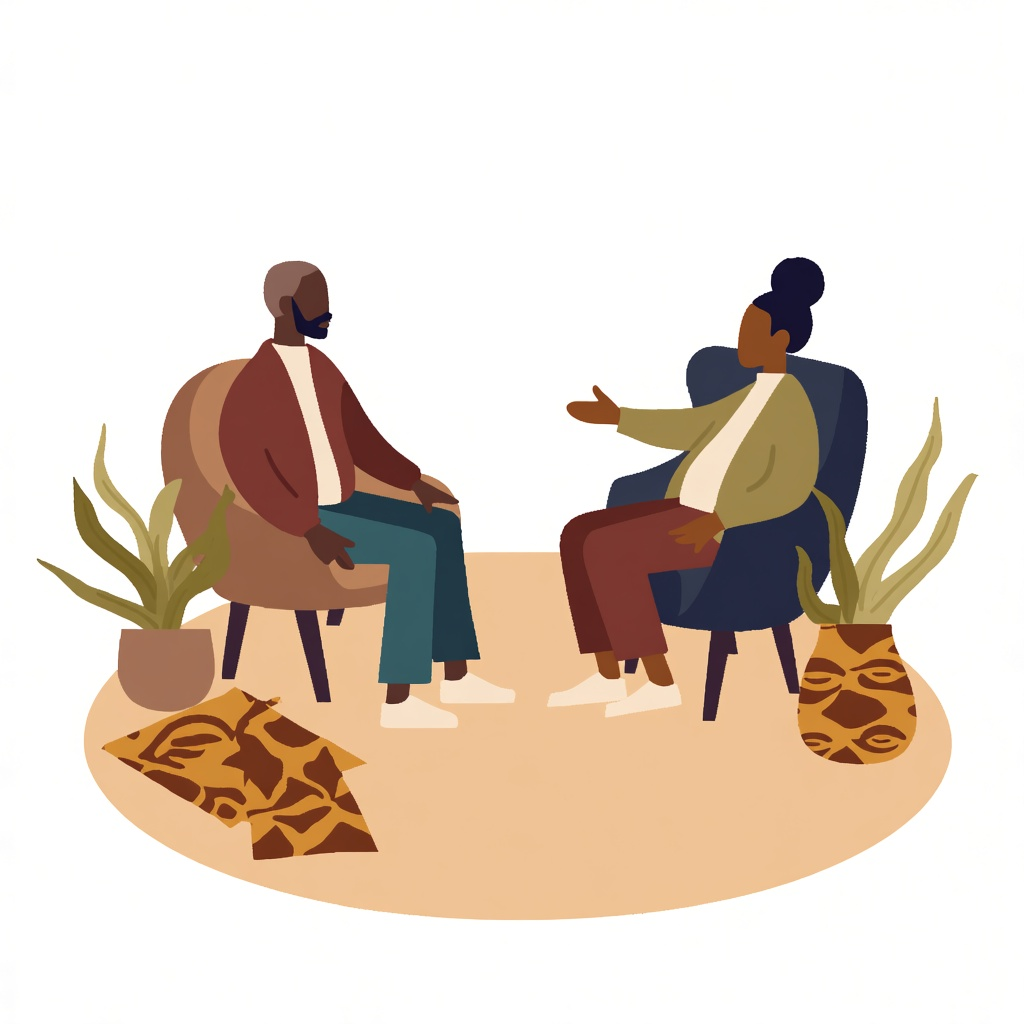
Instead of being cold and distant, this approach takes a person-centered method that honors your full humanity.
Instead of rushing to diagnose someone, I take time to get to know that individual and their origins. To understand what they've been through. To be aware of the power dynamics in the room and make sure they know I'm not there to judge, shame, or guilt them.
I'm there to be their equal. A soundboard. A support system while they work through different challenges and move toward wellness.
Co-Creating Your Path Forward
In traditional settings, the clinician is positioned as the expert who knows what's best for you. In this work, we co create your journey together. You're not a passive participant, you're actively sharing your narratives, your wisdom, and your strengths. This collaboration develops trust and allows us to create tools that actually work for your life, not some textbook version of wellness.
The stories you tell about your experiences matter here. Your lived experiences with racism, your family's experiences with immigration, the experiences that shaped who you are today, these aren't obstacles to therapy; they're the foundation we build from.
Honoring Multiple Forms of Knowing
Maybe your grandmother's remedies make more sense to you than any diagnosis ever could. Perhaps your faith, your spiritual practices, or your connection to your ancestors provides more grounding than any coping skill I could teach you. This framework makes room for all of that.
We're not limited to what's in the literature of Western psychology. We can draw from the wisdom of your culture, traditions passed down through generations, and your lived understanding of what wellness looks like for you.
Addressing Power Dynamics
Let's talk about something most clinicians avoid: power.
In the clinical relationship, there's an inherent power imbalance. I'm the professional, you're seeking support. I have credentials on my wall, you're looking for help. Add race into the mix, and these dynamics become even more complex.
I'm not going to pretend that power doesn't exist. Instead, we're going to acknowledge it, talk about it, and work to minimize its negative effects on our relationship. You should never feel like you have to shrink yourself or perform respectability to be treated with dignity.
The therapy room becomes where we can examine and change these dynamics together.
Decolonizing means creating an environment where people can find their voice, build confidence, and challenge the power structures that have silenced them. We co create this together, you and I, as equals working toward your liberation.
Why This Matters for Black Folks and Communities of Color
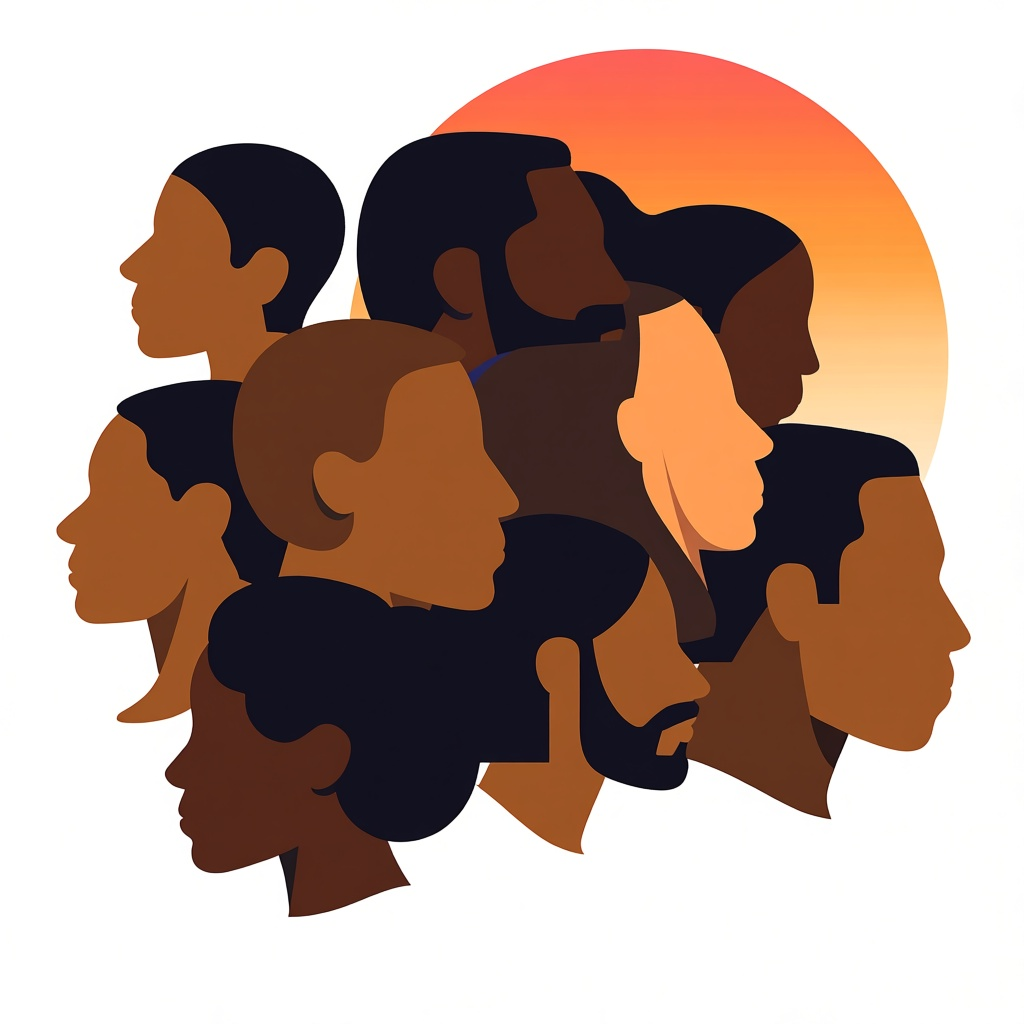
It's essential for folks of color to have access to this approach because oftentimes, there's still something missing when we don't account for what makes up each person in their intersectionality—whether that's gender, religion, language, or other factors that shape who we are.
Without this approach, clients don't get a holistic view of themselves in clinical settings.
Instead, they get a limited perspective based on the Eurocentric perception of Black and brown folks. They get told their anger is a problem to fix rather than a natural response to injustice. They get diagnoses that don't account for the trauma of living in a society that devalues them daily.
The Weight You've Been Carrying
Think about it. How much energy do you spend navigating environments that weren't designed for you? How often do you code-switch, adjust your tone, manage other folks' discomfort with your presence? That's not just challenging, it's exhausting. And when you finally arrive at a clinical setting, the last thing you need is to perform that same dance all over again.
You deserve a place where you can exhale.
What This Approach Centers
This work ensures that clients are:
Treated with respect and dignity from the moment they walk through the virtual door, not as case studies or stereotypes
Having their ethnicity and race preserved, maintained, and centered as core to who they are, not as side notes
Seeing their cultural identity highlighted as a strength, not a weakness or something to overcome
Participating in a process that recognizes systemic oppression as real and actively works against reproducing those patterns in the clinical relationship
Making Room for Your Full Emotional Experience
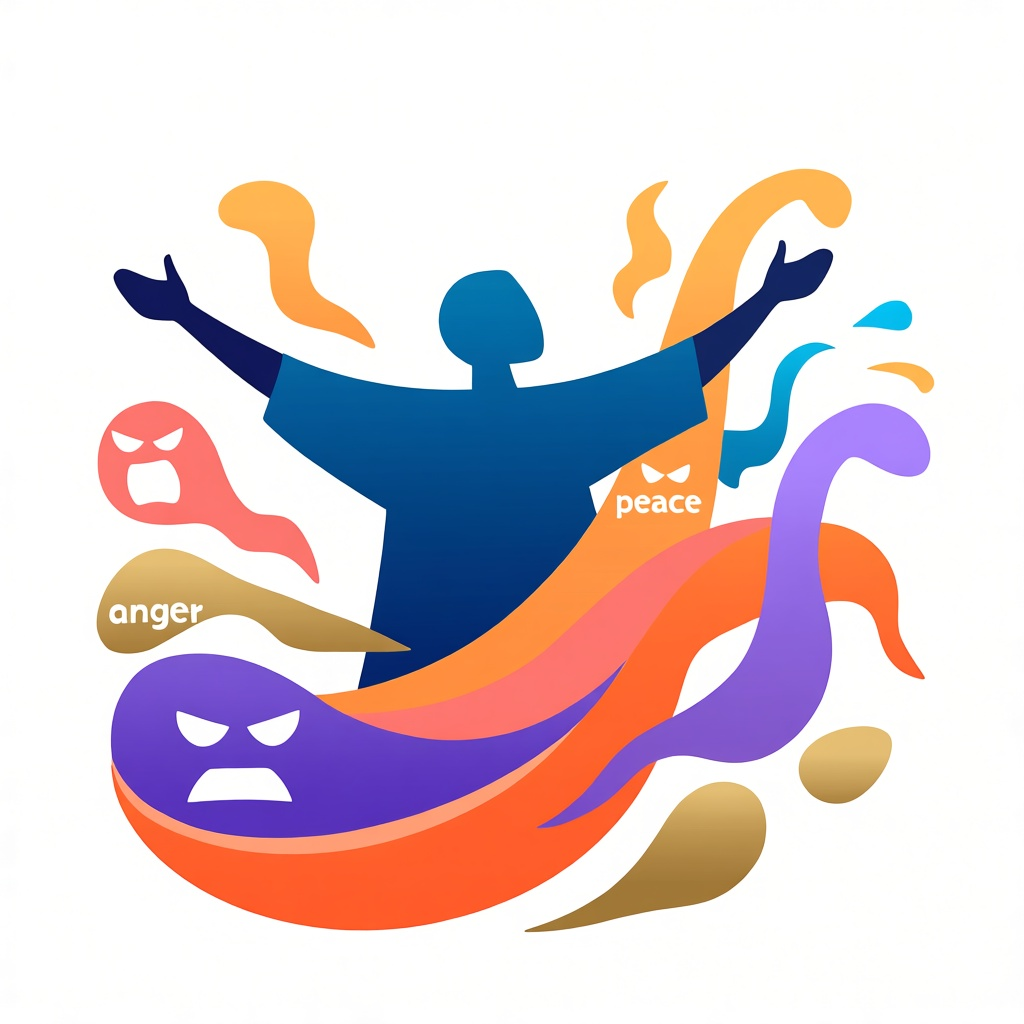
One of the most important elements of this work is creating room for emotions like anger and rage—emotions that are often pathologized or quickly assigned a diagnosis when folks of color express them.
This work ensures that clients have the emotional safety needed to connect with themselves, their lived realities, and the feelings that come with those realities.
Your rage at injustice? Valid.
Your grief over what's been taken from your communities? It deserves to be held, not medicated away.
In therapy spaces created through a decolonizing lens, we recognize that your emotional responses are often the sanest reactions to insane circumstances. This approach doesn't pathologize, it contextualizes.
Understanding the Full Picture
When we look at wellness through a decolonized lens, we understand that your anxiety isn't just about your brain chemistry, it might be about navigating a world that sends constant messages that you're not safe, not valued, not enough. Your depression might be connected to the weight of your lineage's immigration story, or the pressure of being "the strong one" in every environment you occupy.
This clarity assists in growth and healing.
It helps you know where you're going in your life, who you want to become, how you see yourself, and how you relate to others. It gives you permission to discover your own path forward, not just follow someone else's map. The goal becomes not just symptom management, but authentic transformation and healing.
Social Justice as Part of Wellness
Here's what's often missing from traditional care: the recognition that growth isn't just personal, it's also communal and political. We can't separate individual well being from the conditions we live under.
This approach connects personal growth to broader social justice work. This doesn't mean I'm going to push you into activism you're not ready for. It means we recognize that your wellness exists within social, political, and broader contextual realities. Your process is not just about learning to cope with systemic issues, it's about supporting you in imagining and creating liberation for yourself and your community.
The Aim Is More Than Survival
Traditional care often aims to help you function within systems as they are. Can you go to work? Can you maintain relationships? Can you manage your symptoms?
But what if the aim is bigger than that? What if we're working toward joy, fulfillment, and freedom?
What if we're not just trying to help you survive, but to thrive in ways that honor everything you are?
The Role of Culture and Community
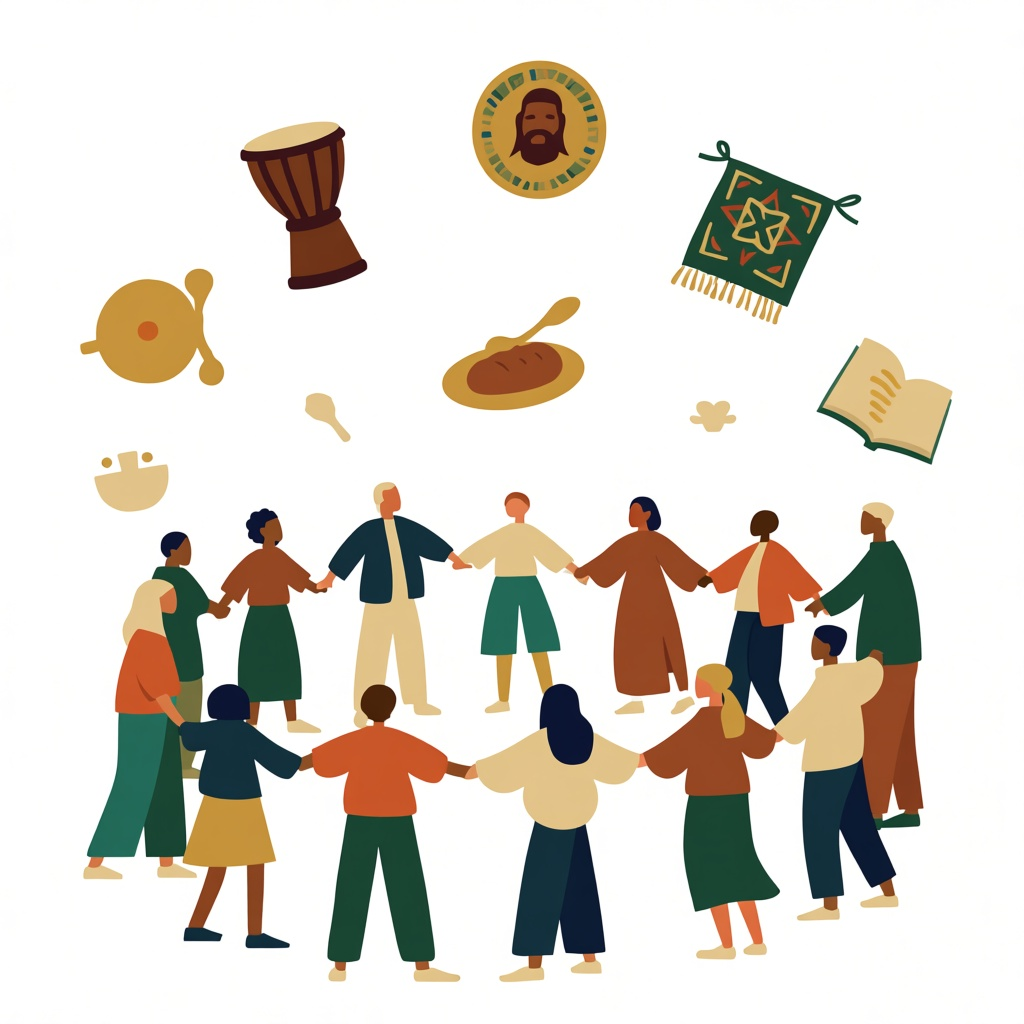
Your culture isn't a problem to be worked around, it's a resource, a source of strength and resilience.
Whether you're navigating life as a first-generation immigrant, a descendant of enslaved ancestors, or someone with multiple marginalized identities, your cultural background shapes how you understand wellness, relationships, kinship, and growth.
In our work together, we'll explore:
How your cultural background shapes how you understand well being
What traditions of wellness exist in your communities that we can draw from
How to navigate the tension between honoring your culture and addressing elements that may not serve you
Strategies to stay connected to your roots while also creating the life you want
Creating Room for Complexity
This work requires creating room for complexity. We can honor our elders while also acknowledging that some of their coping strategies came from surviving oppression, not from choosing freely. We can love our communities while also recognizing that we've internalized some harmful beliefs. We can celebrate our culture while also unpacking the impacts of colonization within it.
None of this is about blaming our communities. It's about understanding the full picture so we can shift what needs shifting and strengthen what's working.
What Makes This Different from Traditional Approaches
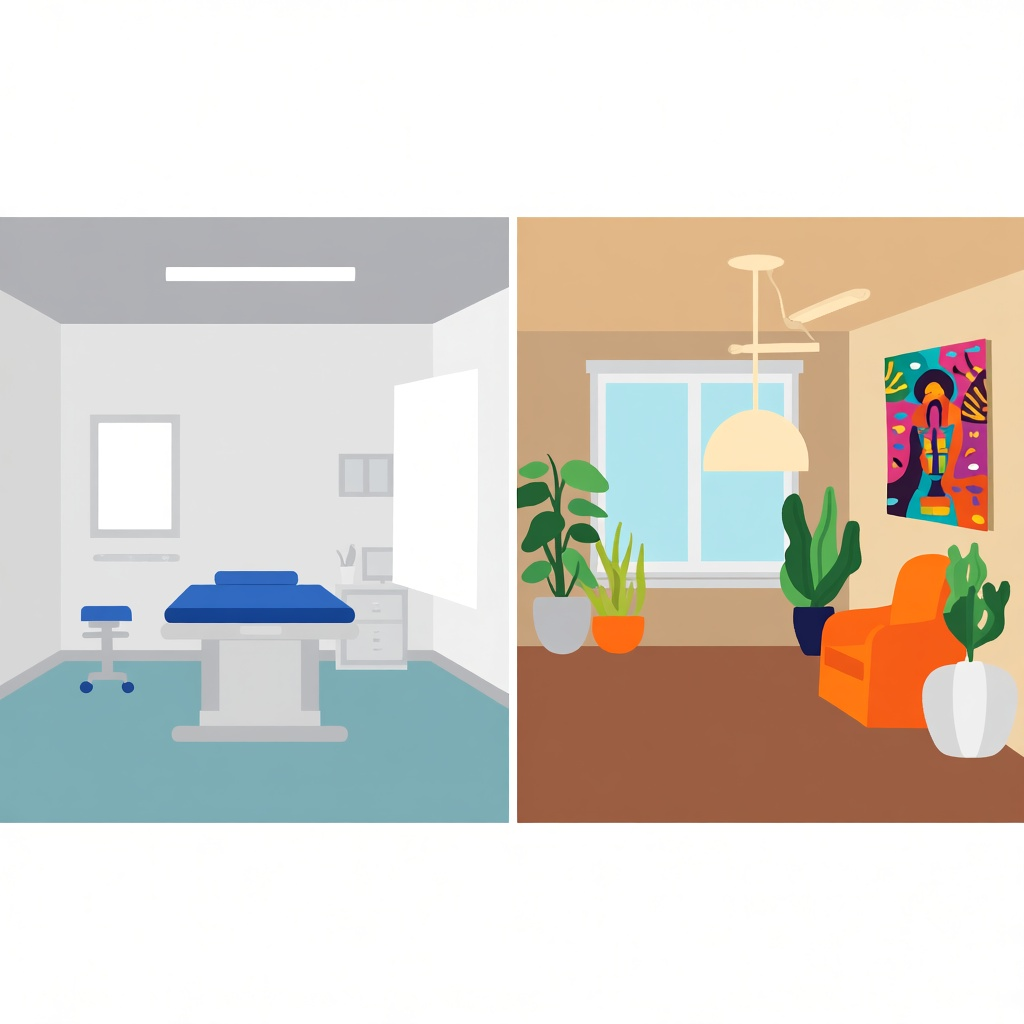
Let me be clear about what sets this apart. In traditional settings, the framework is often:
Come in with a problem
Get diagnosed based on the DSM (Diagnostic and Statistical Manual)
Receive treatment that follows evidence-based protocols
Work toward symptom reduction
That's not inherently bad, but it falls short when working with communities that have been marginalized. Here's what shifts:
We Start with Trust, Not Diagnosis
I'm not rushing to label you. Before we talk about any diagnosis, we're creating relationship. I want to understand your world, how you were raised, what you've survived, what brings you joy, what your ancestors taught you about resilience.
We Question the Standards
Who decided what "normal" looks like? Largely, it was individuals who look nothing like you, who've never walked in your shoes. So we're going to question those standards together. Is this actually a symptom of something wrong with you, or is it a natural response to an unnatural situation?
We Center Your Wisdom
You know yourself better than any manual ever could. Yes, I bring professional knowledge of how trauma works in the body and mind. But you bring expertise on your own life. We're going to work together as partners, not as doctor and patient.
We Connect Personal and Collective
Your individual growth is important. And it's also connected to the wellness of your lineage, your community, and the larger movements for justice and inclusivity. We'll explore both, discovering the role you want to play in that bigger picture.
You Deserve Care That Sees All of You
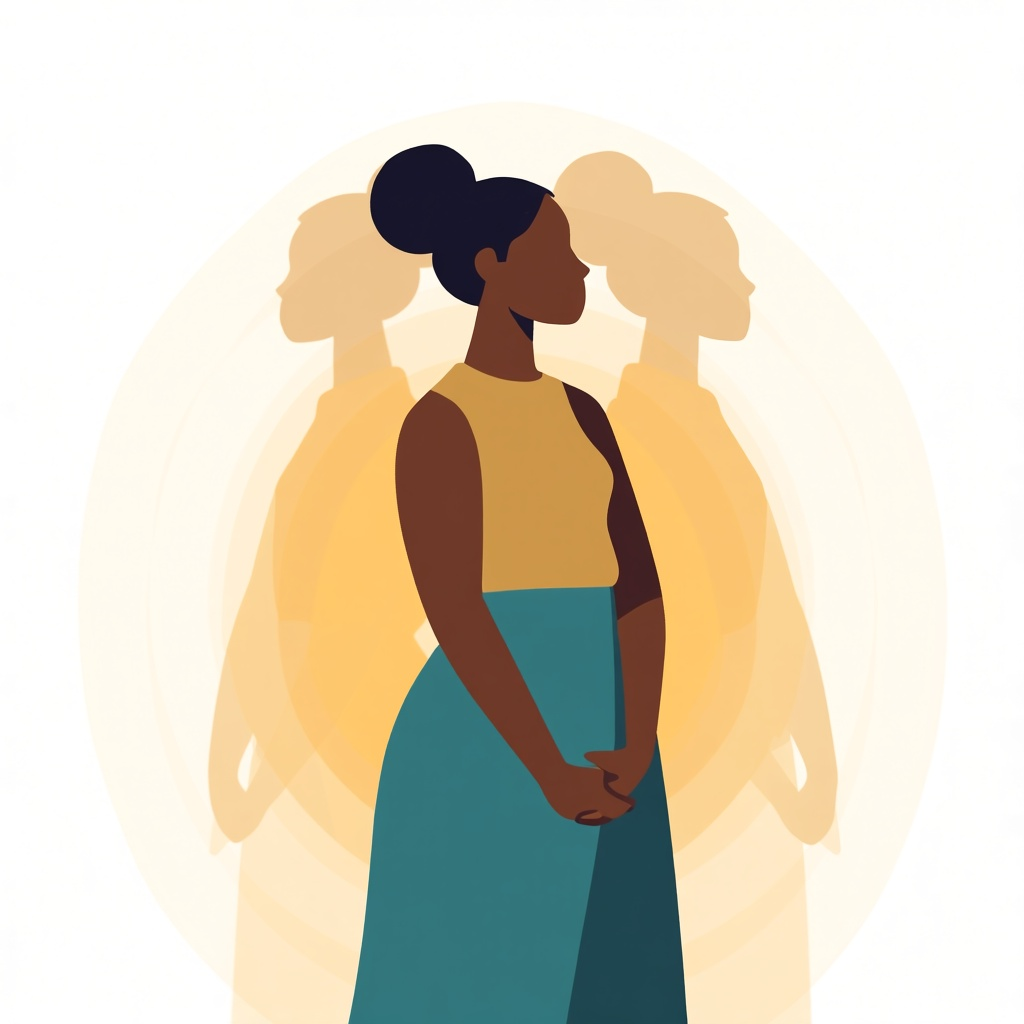
This isn't just a buzzword, it's a necessary shift in how we approach wellness for Black folks and communities of color.
It's about honoring your whole self, your history, your culture, and your lived reality in ways that traditional approaches often fail to do.
If you've been searching for someone who truly understands the nuances of your identity and won't try to fit you into a Eurocentric mold, you deserve that.
Growth happens when you're seen, heard, and respected for everything you are, not despite your identity, but because of all that makes you who you are.
This isn't about working harder to fit into environments that were never meant for you. It's about creating room for you to be fully yourself while doing the deep work of transformation. It's about recognizing that you're not broken, you're navigating a world that hasn't made room for your wholeness. A world created on systems that excluded you, but that doesn't mean you can't heal and thrive.
And that shifts here.
Ready to Begin?
If you're tired of clinical settings that ask you to leave parts of yourself at the door - your culture, your rage, your full truth - I want you to know there's another approach.
You don't have to keep performing or protecting folks from your reality. You can show up exactly as you are.
This is what care was always meant to be: a place for you to breathe, to be seen, to grow, and to become who you're meant to be. Not who others think you should be, but who you know yourself to be when you're free from the weight of constantly adapting to environments that don't value you.
If you're ready to experience support that honors your full identity and understands the unique lived realities of Black folks, immigrants, and folks of color, let's talk.
You can schedule a complimentary 15-minute consultation to see if we're the right fit. No pressure, no judgment, just an honest conversation about what you need and whether I can support you in getting there.
Your wellness matters. Your story matters. And you deserve to work with someone who gets that—deeply and completely.
Schedule your complimentary consultation today and start your journey in a setting that was designed with you in mind.
