
Jamaican Resilience and Mental Health: Finding Strength in the Storm
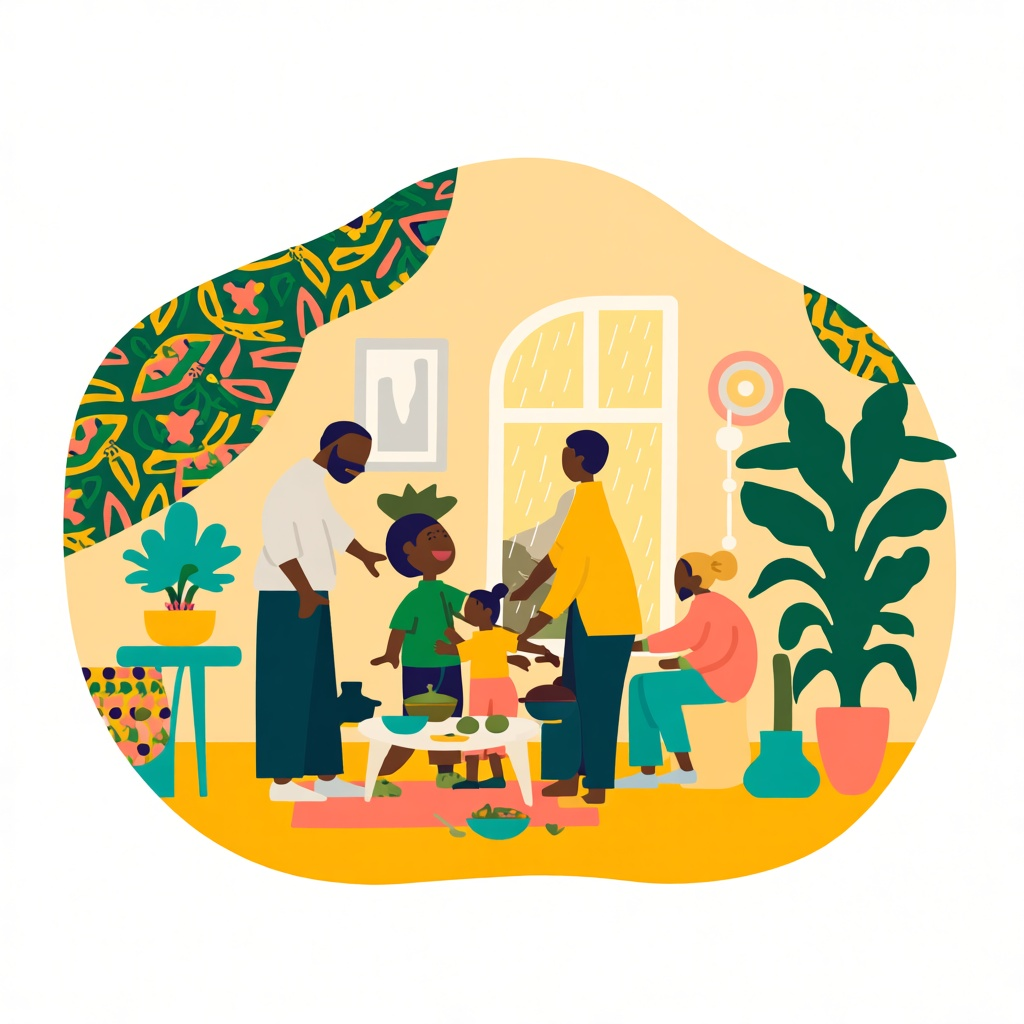
I can distinctly remember being excited as a child when we heard that a hurricane was coming. We were so disinterested in the warnings, the reconstruction that would need to take place, or even the dangers that may come with a hurricane.
Through our child's lens, we thought of being out from school. We thought about our parents being home for several days on end, not just the weekend. We thought about being at home and eating snacks, having baths in the rainwater that was caught during heavy rainfall, and going outside to play in the rain.
When the eye of the storm came about and there was that calm, we'd go outside and see all that had happened while we were tucked away inside safely by our parents.
I would like to say I've had several of those memories, which I find to be the fondest memories of growing up in Jamaica.
As a child, we see natural disasters as an opportunity for our families to come together. It's an opportunity for us to feel safe and surrounded by an abundance of love with our loved ones. And it's also an opportunity to eat really good food that typically our parents would not have the time to make because they were working and commuting to work. This was my reality.
Witnessing the Dual Reality of Storm Preparation
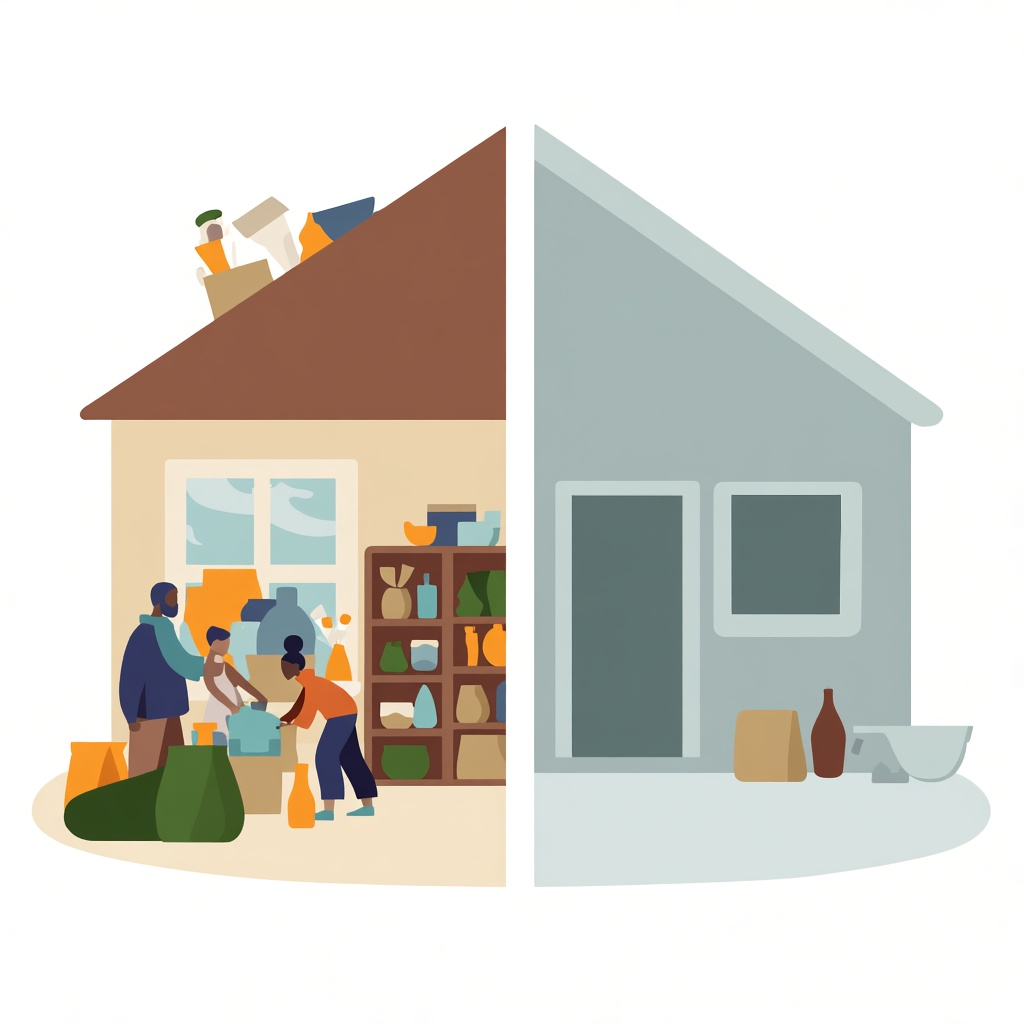
But there was an alternate reality for classmates who did not have secure housing or who did not have the financial means to stock up on food and supplies in anticipation for the storm.
As a child, I remember being very empathetic to those classmates and friends for whom that was their experience.
As I have become an adult, I've started to see the distinct disparities that are present within my country.
The economic and emotional burden of extreme weather patterns affects vulnerable communities differently. But I also cannot help but acknowledge and appreciate deeply that generationally, we were taught to tap into collective joy during the hardest moments in our life. And for many of us, those hard moments came when tropical storms or hurricanes came about.
Challenging Misconceptions About Caribbean Communities
I think that many people assume that because we're on an island, we all want to leave that island. I think many people assume that because we experience hardship on our island, we don't love anything about our country or our culture. I think that many individuals find it puzzling how many Jamaicans can be seen now on social media, which was not there for us growing up, enjoying themselves in the midst of a hurricane.
But I think what many people don't see through an anti-oppressive lens is the fact that we were taught from slavery until this point in time how to make the most out of uncertainty.
How to make the most out of catastrophe. We are really good at this as Jamaicans. This isn't just cultural practice. This is mental health support passed down through generations, long before modern mental health approaches were even accessible to us.
The Heart of Jamaican Resilience
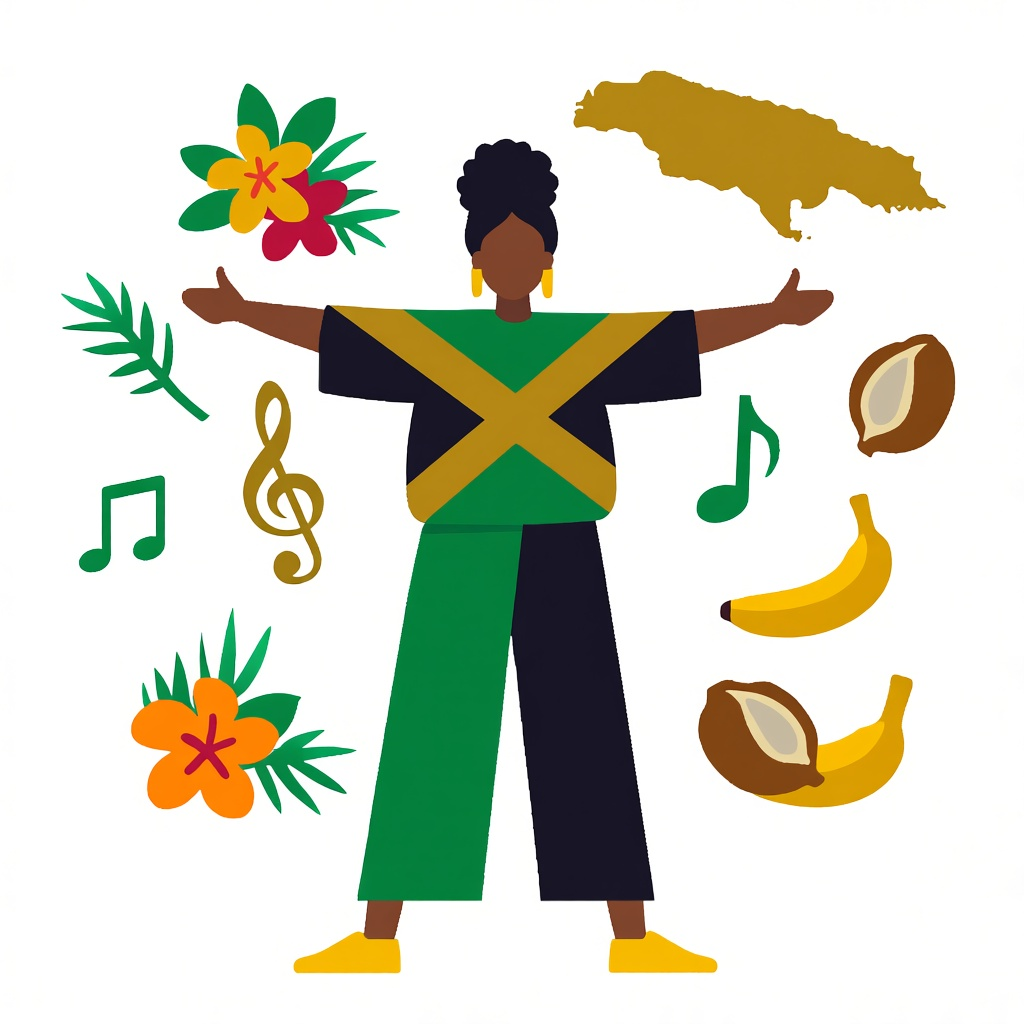
We're also really good at community mental health. Checking in on loved ones. Being able to listen to music with loved ones to ride out the storm. Lending a building block or some flour or some rice or some sugar when our neighbors are in need. Helping to clean up debris. Helping to paint when we need to rebuild after these storms. Cooking meals and sharing them with each other. This is the heart of Jamaica.
This is the heart of my people.
These cultural practices serve as a foundation for emotional resilience that many mental health professionals are only now beginning to understand and integrate into their work.
What outsiders might interpret as denial or recklessness is actually a sophisticated form of building mental resilience in the face of ongoing mental health challenges.
Understanding Jamaican Resilience as Mental Health Education
Under the circumstances of navigating Hurricane Melissa, it is that thing I remember always: that while my island may be currently navigating some serious catastrophes and devastation, the soul of who we are, the soul of our people, the soul of our community and our culture, and our ancestors, rings true.
Us being resilient. Us rising above these circumstances. Us being more involved in our community and us being more intentional about staying connected.
Hurricane Melissa has once again demonstrated what the world often misunderstands about Caribbean people.
When disaster preparedness plans are activated, Jamaicans don't just prepare their homes. They prepare their hearts and their community bonds. The psychological toll of repeated climate threats is real, but so is our capacity to strengthen community bonds in response.
Our true strength as Jamaicans comes from standing in the midst of the storm, quite literally and figuratively. We don't run when it gets hard. We don't back down when it gets difficult. And we don't shy away when the challenge presents itself. We hold steadfast.
And we are very much what our motto says: Out of many, one people.
The Mental Health Impact of Climate Change on Island Communities
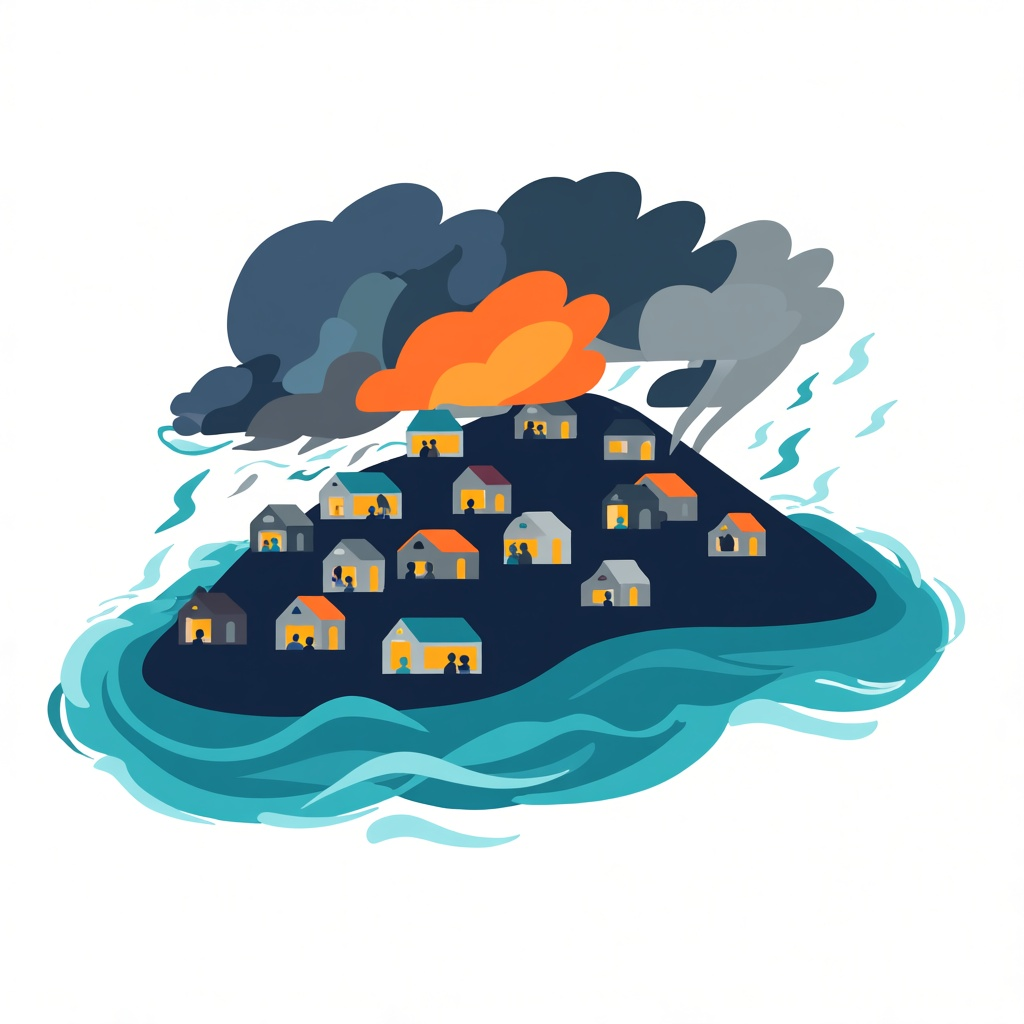
Today's climate challenges are intensifying in ways my childhood self couldn't have imagined.
Extreme weather patterns now threaten not only physical safety but the emotional response people have to living in constant anticipation of the next disaster.
Climate anxiety is a growing mental health concern, particularly for those of us from vulnerable communities who face repeated exposure to environmental crises.
The psychological distress that comes from climate change affects Caribbean communities in layered ways.
There's the immediate trauma of the storm itself, the mental health struggles that follow displacement and loss, and the chronic stress of knowing another storm is always coming. For many Caribbean people now living abroad, including those in Maryland and DC, this creates an additional emotional burden of worrying about family back home while processing their own immigration-related trauma.
Addressing climate anxiety requires more than just disaster preparedness.
It requires acknowledging the mental distress that comes from environmental shifts and creating space to process feelings about our changing world.
Mental health education must include understanding how climate threats intersect with other stressors, particularly for first and second-generation immigrants who carry both the memory of home and the weight of building new lives.
How Caribbean Resilience Informs Culturally Responsive Mental Health
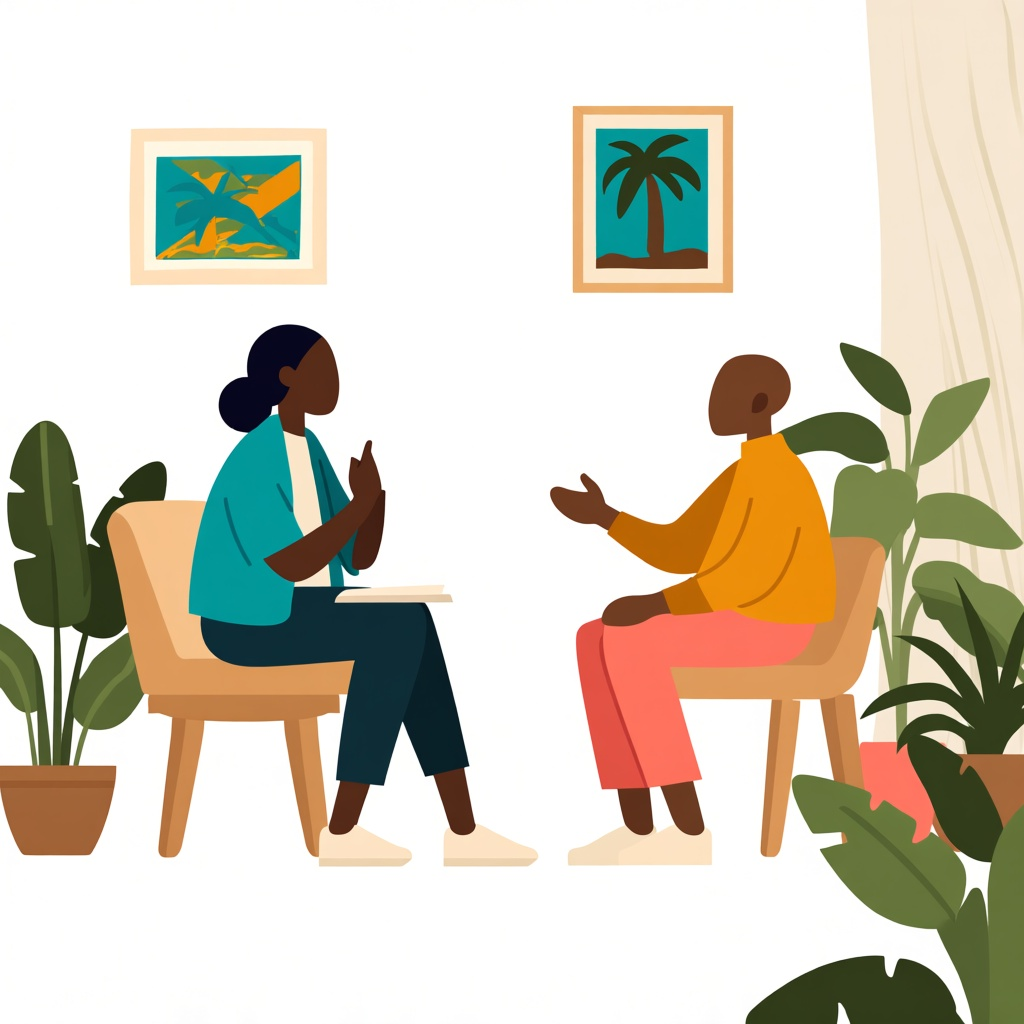
What many mental health services fail to understand is that Caribbean resilience isn't about toxic positivity or avoiding pain.
It's about proactive coping strategies that have been refined over generations. When mental health professionals work with Caribbean immigrants, recognizing these cultural traditions becomes essential to providing effective care.
At Life Migration Therapy, I bring this lived understanding to my work as a Black female therapist in Maryland and DC. My approach to holistic mental health support recognizes that mental well-being cannot be separated from cultural identity, community connections, or the realities of navigating life as an immigrant in spaces that weren't built for us.
For Caribbean clients specifically, therapy must honor the ways they've already been surviving. This means recognizing that what looks like avoidance might actually be boundary-setting, that what seems like resistance might be self-preservation, and that joy in the midst of pain is not denial but rather a deliberate choice to not let circumstances steal everything.
The Connection Between Immigration Trauma and Storm Trauma
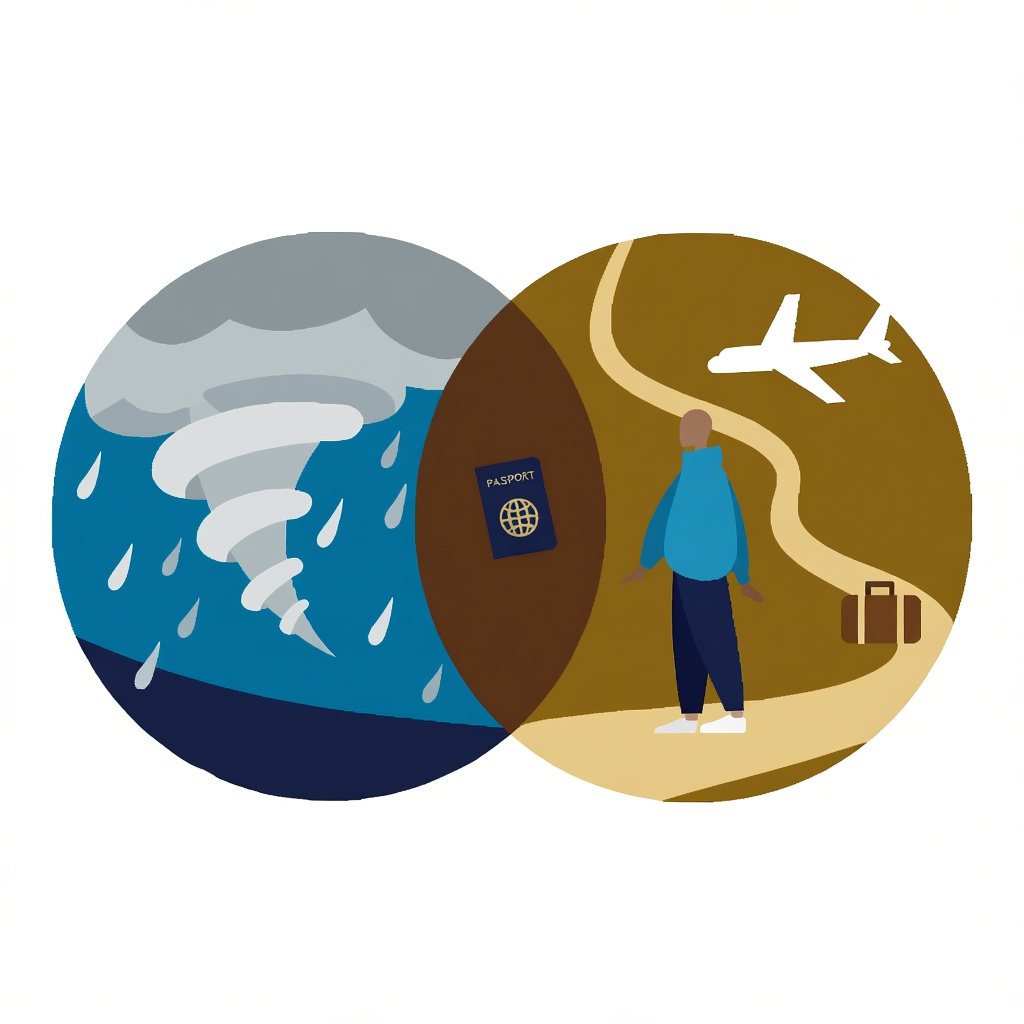
Many Caribbean immigrants living in Maryland and DC experience a unique form of grief. There's the trauma of facing deportation or navigating complex immigration processes, and there's also the helplessness of watching your homeland devastated by storms while you're thousands of miles away.
This dual trauma creates complex mental health challenges that require specialized understanding.
When Hurricane Melissa struck, Caribbean immigrants across the DMV area experienced a resurgence of anxiety, grief, and helplessness.
Some struggled with survivor's guilt. Others faced the mental illness symptoms of post-traumatic stress, triggered by news coverage and images of destruction.
The mental health effects of displacement are compounded when you're processing both your own migration story and your community's ongoing vulnerability to climate disasters.
This is why culturally competent mental health support is not just preferred but essential for Caribbean communities.
Integrating Cultural Identity Into Therapeutic Healing
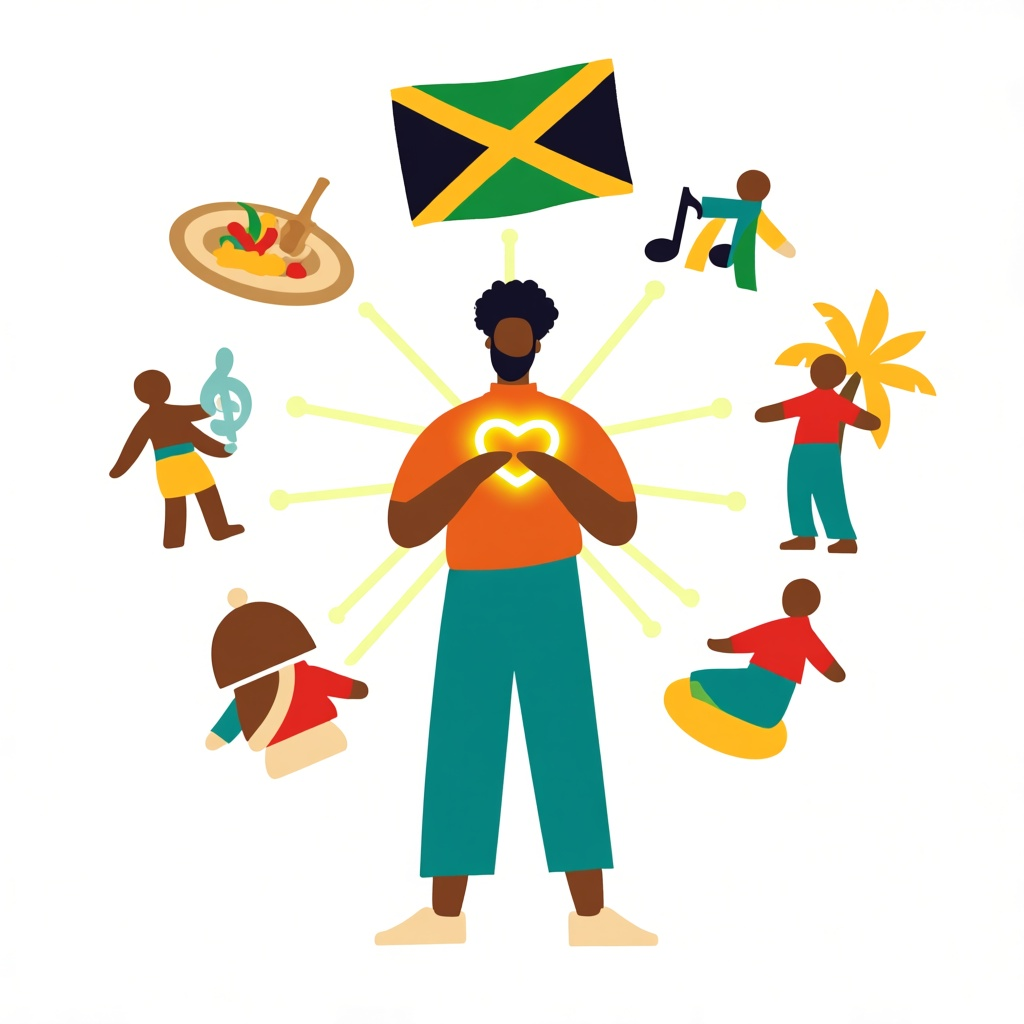
Decolonizing therapy means recognizing that Western mental health models don't always account for the strengths that marginalized communities have developed through centuries of survival.
Caribbean people have been managing collective trauma, economic instability, and natural disasters long before modern psychology created language for these experiences.
In my work as an African American therapist in Maryland, I've learned that effective therapy for Caribbean clients means creating space for both grief and joy, for both individual healing and community accountability.
It means understanding that when a Jamaican client talks about their childhood hurricane memories with fondness, they're not minimizing trauma. They're demonstrating a sophisticated emotional response that honors both the danger and the love that held them through it.
This is what mental health education for Caribbean communities must include: recognition that resilience is not the absence of struggle but the presence of strategies, support, and cultural wisdom that help us keep going.
Community Mental Health and Collective Healing
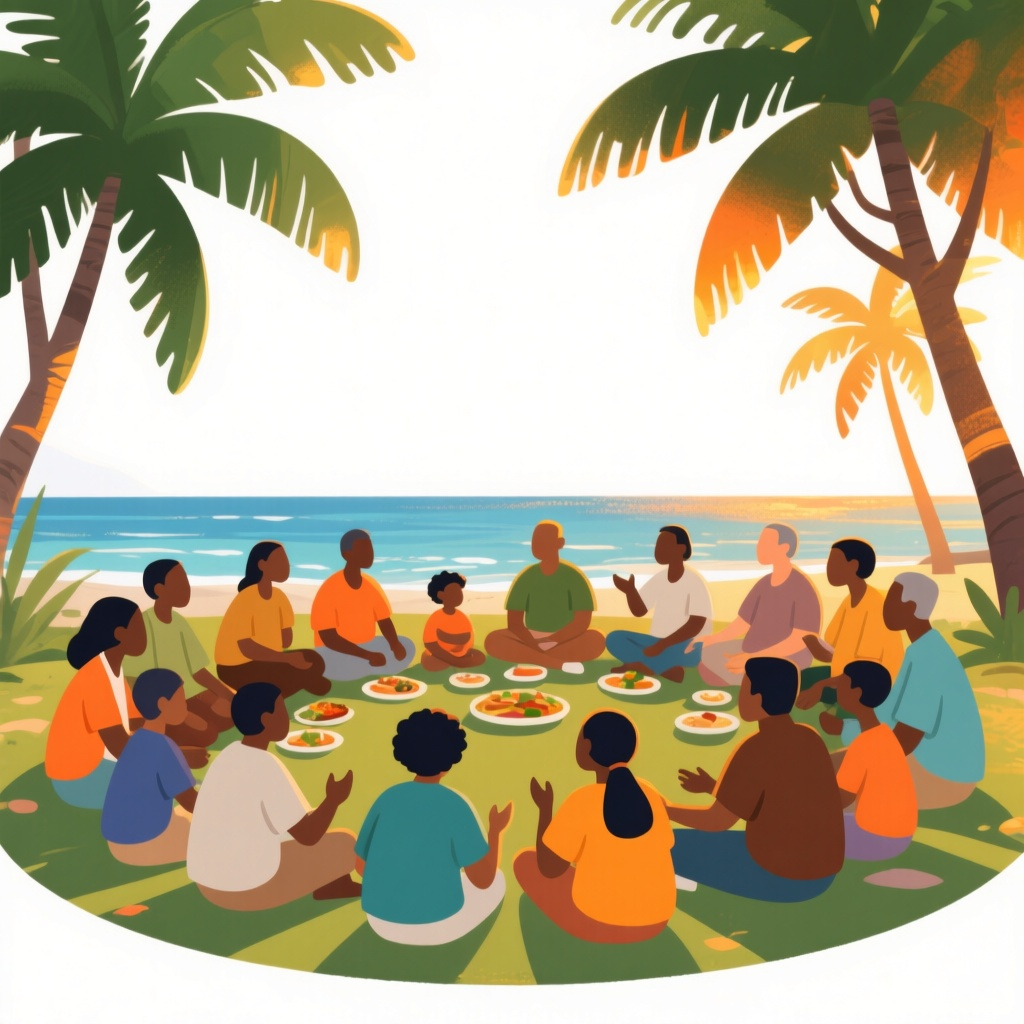
The Jamaican approach to storm survival is fundamentally communal.
We don't prepare alone, we don't weather the storm alone, and we don't rebuild alone. This model of community mental health offers important lessons for how we might approach mental health challenges more broadly.
When we strengthen community bonds, we create natural support systems that can help improve mental health outcomes. Research on perceived social support consistently shows that strong community connections serve as protective factors against depression, anxiety, and other mental health struggles.
For Caribbean immigrants in Maryland and DC who may feel disconnected from their cultural roots, rebuilding these community connections becomes an important part of therapy.
This might mean helping clients find Caribbean cultural events, connect with other immigrants from their home countries, or develop new chosen family networks that honor their values around collective care.
Supporting Caribbean Mental Health in Maryland and DC
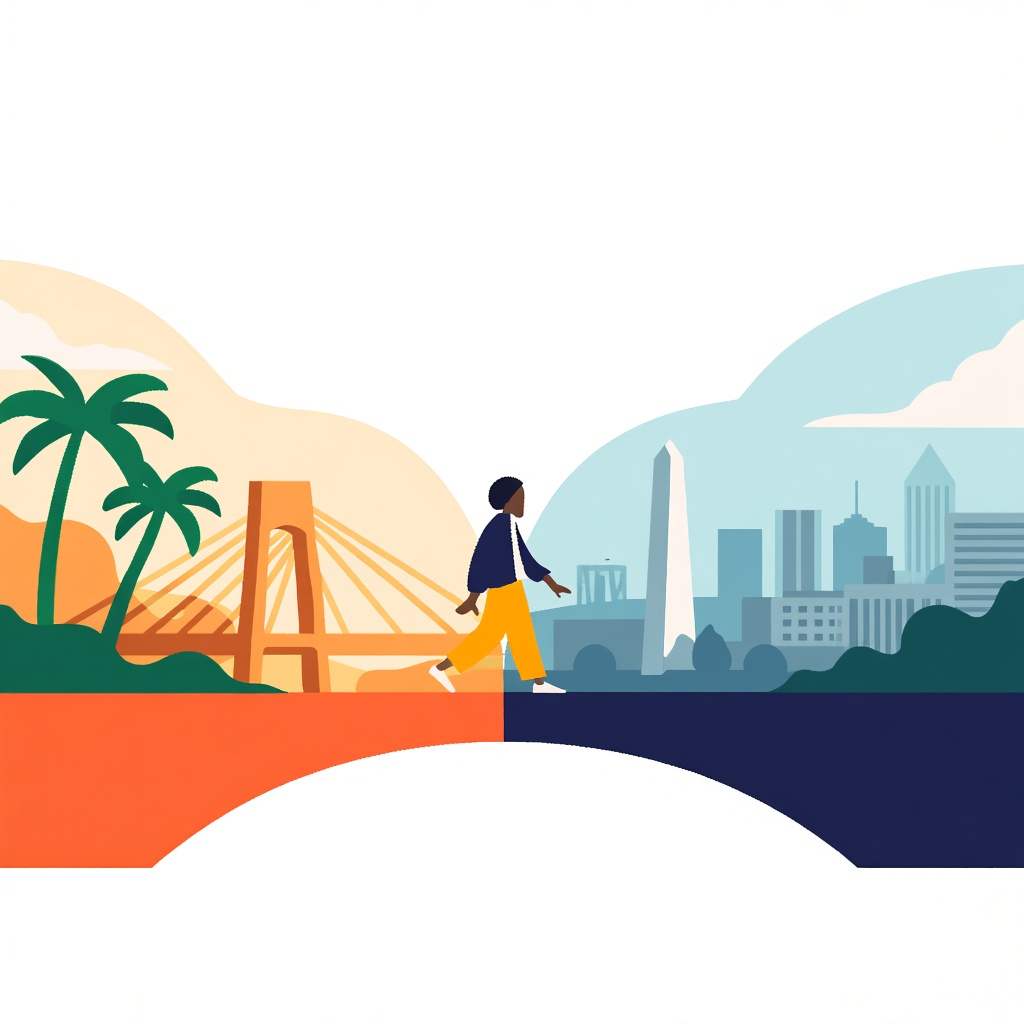
As a psychotherapist in Maryland who understands Caribbean culture from the inside, I recognize that therapy for this community must address multiple layers.
There's the present moment stress of building life in a new country. There's the ongoing worry about family back home facing climate threats. There's the intergenerational trauma of colonialism and its lingering effects. And there's the daily exhaustion of code-switching and navigating spaces where your full identity isn't welcomed.
At Life Migration Therapy, I provide individual therapy that honors all these layers. Whether you're navigating climate anxiety about your homeland, processing the trauma of immigration, dealing with racial identity stress, or simply feeling burnt out from being "the strong one," therapy here centers your full experience.
For Caribbean clients specifically, I understand the cultural context that shapes how you experience and express mental health concerns.
I know that asking for help doesn't come easily when you've been taught to be self-sufficient. I understand the shame that can come with admitting you're struggling when your parents survived so much more. And I recognize that joy and pain can coexist, that resilience doesn't mean you're not hurting.
The Way Forward: Honoring Resilience While Creating Space for Healing
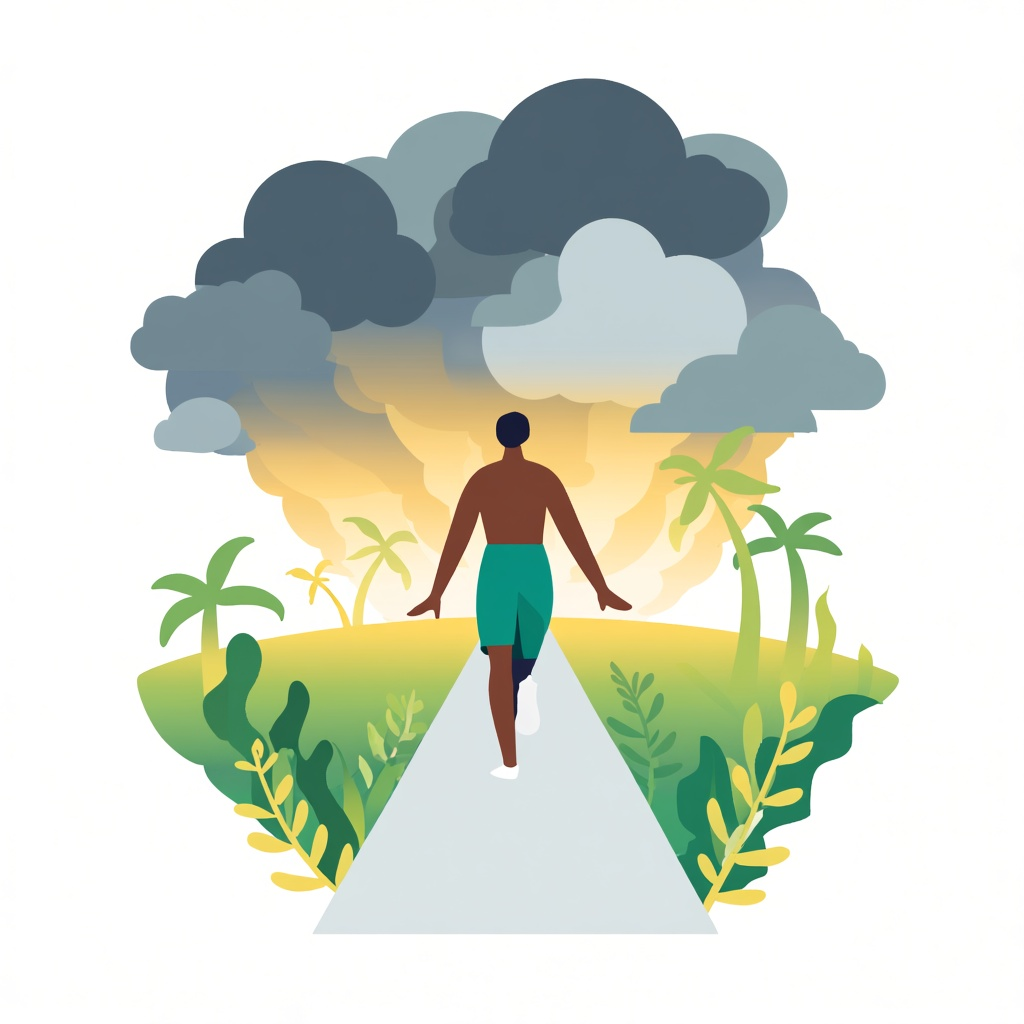
Caribbean resilience is real and powerful. It has carried our people through slavery, colonialism, economic exploitation, and repeated natural disasters. But resilience shouldn't mean you have to carry everything alone.
It shouldn't mean you're not allowed to be tired, scared, or overwhelmed.
True mental health support for Caribbean communities means honoring the strength you already have while also creating space for vulnerability.
It means recognizing that the same cultural practices that helped you survive can also be adapted to help you thrive. And it means understanding that seeking therapy isn't a betrayal of your culture's strength but rather an extension of it, a commitment to your own well-being that honors everything your ancestors survived so you could be here.
Hurricane Melissa will not break the Jamaican spirit, just as countless storms before it haven't.
But as we rebuild once again, let's also acknowledge that carrying generations of trauma, climate anxiety, and displacement takes a toll. Let's make space for grief alongside joy. Let's recognize that community care includes mental health care. And let's remember that choosing to heal is not weakness but rather the most powerful form of resilience.
A Caribbean Immigrant Therapist in Maryland and DC
If you're a Caribbean immigrant in Maryland or DC struggling with climate anxiety, immigration trauma, or the weight of building life far from home, Life Migration Therapy offers culturally affirming support that centers your experience.
Schedule a complimentary 15-minute consultation to see if we're the right fit.
You don't have to carry this alone.
