
What Is Cultural Responsiveness? A Guide to Creating Spaces Where Everyone Belongs
You walk into a meeting and immediately feel like you need to shift.
Maybe it's the way you speak, the way you present ideas, or even the way you show up as yourself. You code-switch without thinking about it anymore, it's become second nature.
But by the time you leave work, you're exhausted. Not from the work itself, but from the constant translation of who you are into something more palatable for the room.
If this sounds familiar, you're not alone. And if you're a leader watching your team struggle with burnout, high turnover, or disengagement despite your best efforts, you're seeing the symptoms of something deeper: a lack of cultural responsiveness in your workplace.
Cultural responsiveness isn't just a buzzword, and it's not about checking boxes on a diversity checklist. It's about creating environments where people don't have to choose between authenticity and acceptance.
It's about recognizing that culture shapes how we communicate, process information, build relationships, and show up in the world, and that ignoring these differences doesn't make them disappear. It just makes people tired.
Understanding Cultural Responsiveness: More Than Awareness

Cultural responsiveness goes beyond cultural awareness or cultural sensitivity. While cultural awareness means recognizing that cultural differences exist, and cultural sensitivity means being mindful not to offend, cultural responsiveness requires action. It's the practice of actively engaging with, adapting to, and honoring the cultural backgrounds, cultural groups, cultural sensitivity, cultural practices, experiences, and identities of the people you work with, serve, or lead.
Think of it this way: cultural awareness is knowing that not everyone celebrates the same holidays.
Cultural sensitivity is not scheduling mandatory meetings on religious observances.
Cultural responsiveness is creating a workplace culture where people feel safe requesting time off for their cultural practices without fear of judgment, where multiple cultural perspectives are valued in decision-making, and where policies are designed with diverse experiences in mind from the start.
The concept of cultural responsiveness emerged from education, where teachers recognized that students from different cultural backgrounds had different learning styles, communication patterns, and ways of engaging with material.
What worked for middle-class white students didn't necessarily work for students of color, immigrant students, or students from working-class backgrounds.
Culturally responsive teaching meant adapting instruction to honor and incorporate students' cultural identities rather than expecting all students to assimilate to one dominant culture.
This same principle applies to workplaces, healthcare settings, nonprofit organizations, and community spaces. Cultural responsiveness means recognizing that the "professional culture" many organizations default to is actually just one specific culture, often white, middle-class, Western, able-bodied, neurotypical, heterosexual culture that's been labeled as neutral or universal when it's anything but.
The Difference Between Cultural Competence and Cultural Responsiveness

You might have heard the term "cultural competence" used in workplace training or professional development.
Cultural competence typically refers to having knowledge about different cultural groups and the skills to work effectively across cultures. It's often framed as something you achieve, a destination you reach through training and education.
Cultural responsiveness, however, is an ongoing practice. It's not something you complete and check off a list. It requires continuous learning, self-reflection, and willingness to adapt. Where cultural competence might focus on learning about "other" cultures, cultural responsiveness asks us to examine our own cultural lens, recognize power dynamics, and actively work to create equity.
Cultural responsiveness also acknowledges that culture isn't static.
Communities evolve, individuals hold multiple cultural identities that intersect in complex ways, and what feels responsive in one context might not work in another. This requires flexibility, humility, and genuine curiosity rather than a checklist approach.
Why Cultural Responsiveness Matters Now More Than Ever

Our workplaces, schools, healthcare systems, and communities are more diverse than ever. The Washington DC metropolitan area exemplifies this reality, it's one of the most culturally diverse regions in the country, with significant populations of African Americans, Latinx communities, Asian Americans, African immigrants, Caribbean immigrants, and people from across the globe. First- and second-generation immigrants make up a substantial portion of the workforce in DC, Maryland, and Northern Virginia.
And yet, many organizational structures were built decades ago with a much narrower definition of who belonged in professional spaces.
The nonprofit sector in DC, which employs thousands and serves even more, often struggles with this tension: missions focused on equity and justice, but internal cultures that haven't caught up to those values.
When organizations fail to practice cultural responsiveness, the consequences show up everywhere:
For Employees: Increased stress, burnout, and emotional exhaustion from code-switching coming from different cultural backgrounds and masking. Feeling undervalued and unseen despite strong performance. Experiencing microaggressions that accumulate over time, the "death by a thousand cuts" that slowly erodes your sense of belonging. Questioning whether you belong in spaces that weren't designed with you in mind. Dealing with the mental health impact of workplace discrimination, cultural insensitivity and a lack of cultural humility.
For Organizations: Higher turnover rates, especially among employees from marginalized communities. The cost of constantly recruiting and training new staff because you can't retain diverse talent. Difficulty attracting quality candidates when your reputation for cultural insensitivity becomes known. Decreased innovation and problem-solving because homogenous thinking dominates. Workplace conflicts that escalate because cultural context is missing from resolution efforts. Damage to reputation and community trust when insensitivity becomes public. Failure to effectively serve diverse communities because your internal culture doesn't reflect or understand them.
The cost of cultural unresponsiveness isn't just measured in exit interviews and retention metrics. It shows up in the quality of work, the well-being of your people, and the integrity of your mission. For organizations in DC that claim to center equity in their work, the gap between external mission and internal culture creates cognitive dissonance that eventually becomes unsustainable.
The Cultural Context: What Shapes Our Experiences
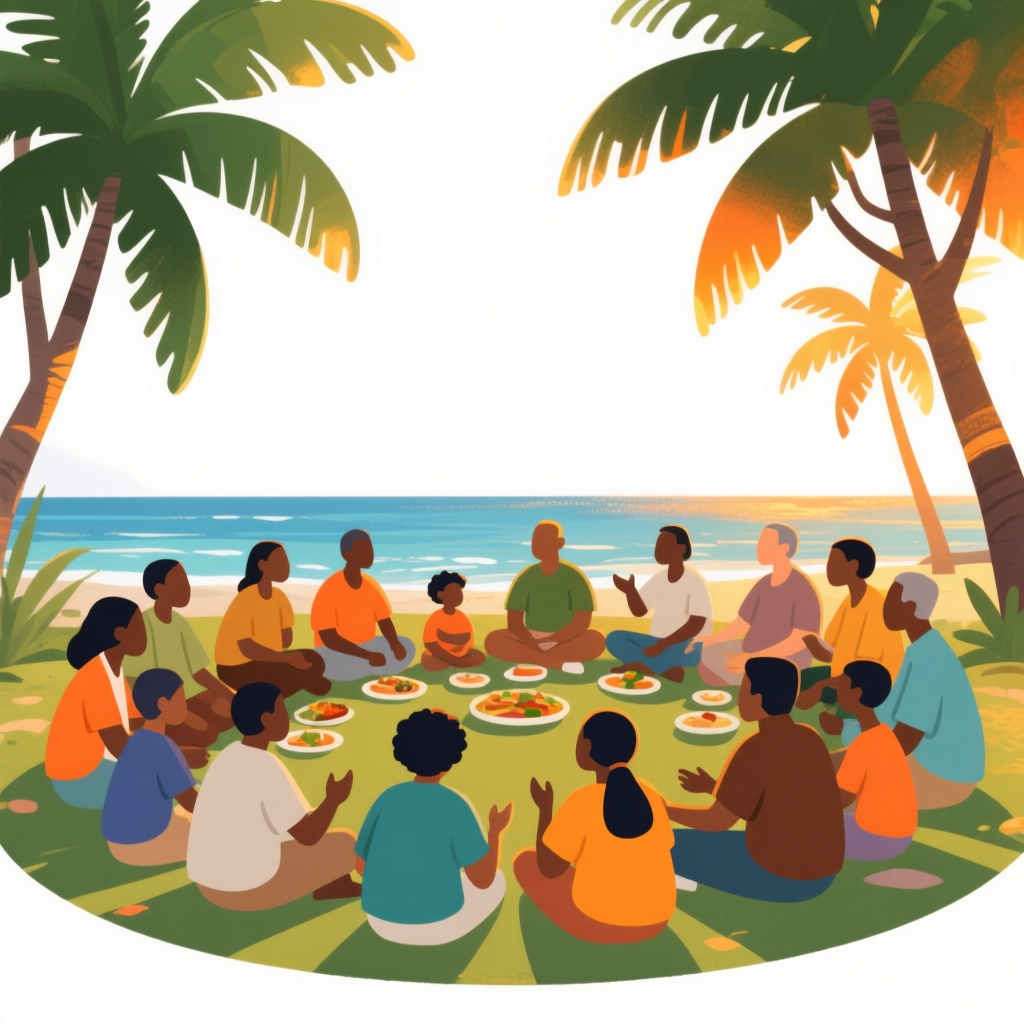
To practice cultural responsiveness, we need to understand what "culture" actually encompasses. Culture isn't just about ethnicity or national origin, though those are important components. Culture is the lens through which we see the world, the values, beliefs, practices, and ways of being that shape how we move through life.
Race and Ethnicity: The lived experiences of being Black, Latinx, Asian American, Indigenous, multiracial, or white in America. The historical context and present-day realities of systemic racism that affect daily life, career opportunities, and interactions with institutions. The richness of cultural traditions, languages, and ways of knowing that different communities carry. The pride in cultural heritage alongside the pain of marginalization.
Immigration Status and Generational Experience: Whether someone is first-generation, second-generation, or beyond. The experience of navigating two cultures simultaneously, American culture in public spaces and home culture in family settings. The trauma many immigrants carry from their home countries or from the immigration process itself. The pressure to assimilate versus the desire to maintain cultural identity. The unique challenges facing undocumented individuals and mixed-status families.
Language: Not just which languages someone speaks, but the cultural communication styles embedded in those languages. Whether someone is bilingual, multilingual, or English-only, and how that affects their experience in predominantly English-speaking workplaces. The code-switching that happens between professional English and home language. The cognitive load of constantly translating thoughts from one language to another. The richness that multiple languages bring to thinking and problem-solving.
Gender Identity and Sexual Orientation: The experiences of LGBTQ+ individuals in spaces that assume heteronormativity and gender binary thinking. The intersection of queer identity with other cultural identities, being a Black queer woman carries different experiences than being a white queer woman. The courage it takes to be visible when society tells you to hide. The workplace discrimination that still exists despite legal protections.
Religion and Spirituality: The practices, values, and worldviews shaped by faith traditions, whether Christian, Muslim, Jewish, Hindu, Buddhist, Indigenous spiritual practices, or non-religious worldviews. The ways religious identity intersects with other aspects of culture. The need for accommodation and respect for diverse spiritual practices in workplace settings. The experience of being part of a religious minority in predominantly Christian spaces.
Socioeconomic Background: The impact of class on access to resources, education, and opportunities. The unspoken rules of middle-class professional culture that aren't universally understood, networking, navigating office politics, advocating for yourself. The stress of economic insecurity and how it affects workplace engagement and decision-making. The different relationship to work when you're working to survive versus working to thrive.
Disability and Neurodiversity: The experiences of people with visible and invisible disabilities navigating workplaces that weren't designed for them. Neurodivergent ways of processing information, communicating, and organizing work. The barriers built into environments designed for neurotypical, able-bodied people. The ongoing need to request accommodations and prove disability rather than having accessibility built in from the start.
Regional and Geographic Culture: Whether someone grew up in urban, suburban, or rural areas and how that shapes their worldview. Regional communication styles and values, DC culture differs from Southern culture, which differs from Midwest culture. The experience of relocating across regions or countries and navigating unfamiliar cultural norms. The urban-rural divide that plays out in policy debates and organizational priorities.
None of these cultural identities exist in isolation. We all carry multiple, intersecting identities that shape how we move through the world. A Black woman who is also Muslim, an immigrant, and a mother experiences the world differently than a white woman who shares some but not all of those identities. Cultural responsiveness means recognizing this complexity rather than reducing people to single categories or assuming you understand someone's experience based on one aspect of their identity.
What Cultural Responsiveness Looks Like in Practice
Cultural responsiveness isn't abstract, it shows up in concrete, daily practices. Here's what it looks like when organizations and individuals practice cultural responsiveness:
In Communication
Culturally responsive communication recognizes that different cultures have different norms around directness, hierarchy, conflict, and relationship-building. In some cultures, direct confrontation is valued as honesty and efficiency. In others, indirect communication preserves relationships and shows respect for harmony. Neither approach is wrong, they're just different ways of navigating the social world.
A culturally responsive workplace creates space for multiple communication styles. Leaders don't assume that quiet team members have nothing to contribute, they create multiple channels for input, including written feedback, small group discussions, and one-on-one conversations. They recognize that some people process verbally in real-time while others need time to reflect before sharing their thoughts. They understand that eye contact, physical proximity, tone of voice, and gesture carry different meanings across cultures.
When someone's communication style differs from the organizational norm, culturally responsive leaders get curious rather than judgmental. They ask questions with genuine interest: "Help me understand your perspective on this." "What would effective communication look like from your viewpoint?" They create psychological safety for people to show up authentically rather than forcing everyone into the same mold of "professional communication."
In meetings, culturally responsive practices might include:
Sending agendas in advance so people can prepare thoughts
Building in silent reflection time before discussion
Using rounds so everyone has equal airtime rather than letting the loudest voices dominate
Acknowledging and valuing different types of contributions, the person who asks clarifying questions is as valuable as the person who proposes solutions
Rotating facilitation so leadership is distributed rather than concentrated
In Leadership and Decision-Making

Culturally responsive leadership means examining who holds power and how decisions get made. It means asking: Whose voices are centered in our strategic planning? Who gets to define "professionalism" and "merit"? Whose experiences and perspectives are considered when we design policies? Who has access to informal networks and mentorship that advance careers?
Leaders practicing cultural responsiveness actively work to distribute power more equitably. They create pathways for people from marginalized communities to advance into leadership roles. They recognize that "culture fit" often means "people who look and think like us," and they intentionally hire for culture add instead, bringing in perspectives that challenge the status quo and make the organization stronger.
They also understand that leadership styles are culturally informed. Hierarchical leadership might feel appropriate in some cultural contexts while collaborative, consensus-based leadership resonates in others. Authoritative leadership that makes quick decisions appeals to some cultural values while participatory leadership that builds buy-in appeals to others. Culturally responsive organizations make room for different leadership approaches rather than insisting everyone lead the same way.
Culturally responsive leaders also recognize their own cultural lens and how it shapes their leadership. They understand that their definition of "good leadership" isn't universal or neutral, it's shaped by their own cultural experiences and values. This awareness creates humility and openness to learning from others.
In Policies and Practices
This is where cultural responsiveness becomes structural rather than just interpersonal. Culturally responsive policies account for diverse needs from the beginning rather than treating them as exceptions or accommodations that people have to request.
Examples include:
Flexible scheduling and time off that honors different cultural and religious observances, not just the dominant culture's holidays. Recognizing that some employees celebrate Eid, Diwali, Lunar New Year, Yom Kippur, Indigenous Peoples' Day, or Juneteenth with the same importance others place on Christmas. Allowing floating holidays so people can observe what matters to them rather than forcing everyone into the same calendar.
Dress codes that don't penalize cultural and religious expression. Allowing hijabs, head wraps, locs, braids, and other hairstyles without labeling them "unprofessional." Recognizing that Western business attire isn't the only way to present professionally. Understanding that policing Black women's hair, for example, is a form of racial discrimination rooted in anti-Blackness.
Parental leave policies that account for different family structures and caregiving responsibilities. Not assuming every family looks the same or that only mothers need time off for new children. Recognizing that some cultures have extended family caregiving models while others are more nuclear. Providing leave for foster and adoptive parents, not just biological parents.
Language access that provides translation services, multilingual documents, and recognition that language diversity is an asset, not a deficit. In a region like DC where significant portions of the population speak Spanish, Amharic, Vietnamese, Korean, and many other languages at home, language access is essential to cultural responsiveness.
Mental health support that includes culturally responsive therapy options. Recognizing that traditional Western therapeutic approaches don't work for everyone. Ensuring that employee assistance programs include therapists who share cultural backgrounds with employees or who have training in working across cultural differences. Understanding that mental health stigma varies across cultures and creating multiple entry points for support.
Performance evaluation and advancement processes that account for bias and cultural differences in how people demonstrate competence. Not penalizing people for communication styles, leadership approaches, or work styles that differ from the dominant culture. Creating transparent criteria for advancement that don't rely on subjective assessments like "executive presence" that often code for white, male, able-bodied norms.
In Conflict and Problem-Solving

Culturally responsive workplaces expect that conflict will arise, not because something is wrong, but because diverse perspectives naturally create friction. The goal isn't to eliminate conflict but to navigate it in ways that strengthen relationships and understanding.
When cultural differences lead to misunderstanding or tension, culturally responsive leaders don't ignore it or rush to smooth things over. They create space to name what happened, explore different perspectives, and learn from the experience. They recognize that what feels like a personal slight might actually be a cultural difference in communication styles or values. They understand that impact matters regardless of intent, even when someone didn't mean to cause harm, the harm still needs to be addressed.
Culturally responsive conflict resolution might include:
Acknowledging that conflict is normal and healthy when navigated well
Creating ground rules that honor multiple cultural approaches to conflict
Bringing in facilitators who understand cultural dynamics
Focusing on repair and learning rather than blame
Recognizing power dynamics and how they affect who feels safe speaking up
Following up to ensure resolution actually happened rather than assuming silence means agreement
The Relationship Between Cultural Responsiveness and DEI
You've probably heard the acronym DEI, Diversity, Equity, and Inclusion. Over the past several years, it's become common language in organizational development, and for good reason. DEI initiatives have pushed many workplaces to think more intentionally about representation, fairness, and belonging. They've created accountability around who gets hired, promoted, and retained. They've named systemic barriers that prevent talented people from thriving.
But here's the thing: the language of DEI has also become politically charged. Recent federal policy changes have created pressure on organizations, particularly those receiving government funding, to avoid certain terms. Some states have banned DEI initiatives in public institutions. Conservative activists have successfully framed DEI work as divisive or discriminatory. The fear is real, and the consequences can be significant for organizations that depend on federal contracts or grants.
Cultural responsiveness offers a way forward that doesn't require abandoning the values underlying this work. Instead of focusing on the terminology, cultural responsiveness focuses on the practice: How do we create environments where everyone can thrive? How do we recognize and honor the full humanity of every person in our organization? How do we design systems that work for all of us, not just some of us?
The work remains the same even if the language shifts. Cultural responsiveness asks us to examine power, challenge bias, create equity, and build belonging. It asks us to do this work not because it's politically correct or trending, but because it's the right thing to do and because organizations genuinely cannot reach their full potential when they leave talent on the table.
Cultural responsiveness also acknowledges something important: this work predates the DEI acronym. Communities of color, immigrant communities, LGBTQ+ communities, and disability justice activists have been doing this work for decades under different names. They've been building culturally responsive practices in their own organizations and communities long before corporate America discovered diversity. The wisdom and strategies already exist, we just need to learn from those who've been doing this work all along.
Common Barriers to Cultural Responsiveness

Even organizations with the best intentions struggle to practice cultural responsiveness. Understanding these barriers is the first step to overcoming them.
"We Don't See Color" and Other Forms of Difference-Blindness
The desire to treat everyone the same comes from a good place, a belief in equality and fairness. But color-blindness, gender-blindness, and other forms of "not seeing" difference actually perpetuate harm.
When we refuse to see race, for example, we refuse to see the real experiences of racism that people of color navigate daily. We erase the cultural richness that comes with different racial and ethnic identities. We pretend that centuries of systemic oppression don't have present-day effects. We make it impossible for people to bring their whole selves to work because we're asking them to pretend a fundamental part of their identity doesn't exist.
Cultural responsiveness requires seeing color, seeing culture, seeing difference and valuing it. It means recognizing that equal treatment doesn't create equity when people start from unequal positions. Sometimes equity requires differentiation. Sometimes it means giving more support to those who've had less access. Sometimes it means changing systems that create barriers for some while creating advantages for others.
Surface-Level Diversity Without Cultural Change
Some organizations focus on representation, hiring diverse employees or creating diverse leadership teams without changing the underlying culture. They bring people in the door but don't create conditions for them to thrive. The organizational culture remains unchanged, and diverse employees are expected to assimilate, adapt, and code-switch to fit in.
This is tokenism. It places the burden on employees from marginalized communities to adapt to a culture that wasn't designed for them. It leads to what's often called "diversity fatigue," where diverse employees are asked to speak for their entire cultural group, serve on every diversity committee, educate their colleagues about their culture, and fix the organization's cultural problems, all while doing their actual jobs. It's exhausting, and it drives talented people away.
Cultural responsiveness requires changing the culture, not just changing the faces. It means examining policies, practices, and norms that create barriers. It means doing the internal work of shifting organizational culture, not expecting diverse employees to do that work for free while also meeting their job responsibilities.
Performative Allyship Without Accountability
In recent years, especially following the racial justice uprisings of 2020, many organizations made public statements about their commitment to racial justice, LGBTQ+ rights, or other social issues. They posted on social media, sent company-wide emails, and participated in awareness months. They put "Black Lives Matter" on their websites and flew Pride flags during June.
But performative allyship without action is empty. Statements don't change culture. Social media posts don't address systemic barriers. Awareness months don't create accountability. Cultural responsiveness requires moving beyond statements to structural change.
It requires accountability, measuring outcomes, tracking retention and advancement of diverse employees, conducting climate surveys, and being transparent about where the organization falls short. It requires allocating resources, budget, staff time, leadership attention, to this work. It requires creating consequences when leaders fail to uphold cultural responsiveness and rewards when they do it well.
Fear of Getting It Wrong
One of the biggest barriers to cultural responsiveness is fear. Leaders worry about saying the wrong thing, making assumptions, or causing offense. Employees worry about speaking up because they might be labeled as "too sensitive" or "playing the race card." Everyone walks on eggshells, and this tension prevents authentic relationship-building.
This fear can lead to paralysis, avoiding conversations about culture altogether rather than risking a mistake. People stay silent when they witness microaggressions because they don't want to make things awkward. Leaders avoid giving feedback to employees from different cultural backgrounds because they're worried about appearing biased.
Here's the truth: You will get it wrong sometimes. Everyone does. Cultural responsiveness isn't about perfection, it's about humility, willingness to learn, and commitment to do better. It's about creating a culture where people can name harm when it happens and where leaders take responsibility rather than becoming defensive.
The fear of imperfection shouldn't prevent you from trying. The people you work with don't need you to be perfect, they need you to be present, curious, and committed. They need you to care more about their experience than about your comfort. They need you to keep showing up even when it's hard.
Lack of Resources and Training
Many organizations want to do better but don't know where to start. They lack training on cultural responsiveness, don't have the budget for consultants, or don't have internal expertise on these issues. In the nonprofit sector especially, where budgets are tight and staff are stretched thin, finding resources for this work feels impossible.
This is a real barrier, but it's not insurmountable. Cultural responsiveness starts with listening, to employees, to community members, to the people most affected by your organization's policies. Listening doesn't cost money. It costs time and attention, which are also limited resources, but they're resources every organization has.
Cultural responsiveness also starts with reading, learning, and self-education. There are countless resources available, books, articles, podcasts, free webinars, created by people who've been doing this work for years. The knowledge exists. The question is whether leadership is willing to prioritize learning it.
That said, organizations serious about cultural responsiveness do need to invest resources. They need to bring in outside expertise through consultants who specialize in this work. They need to provide ongoing training for staff and leadership. They need to allocate staff time for cultural responsiveness initiatives rather than adding it to already full plates. They need to build it into strategic plans and budgets rather than treating it as an extra.
The Impact of Cultural Unresponsiveness: Real Costs

Let me paint a picture of what cultural unresponsiveness looks like in real life, and what it costs:
Maria is a first-generation immigrant from El Salvador working at a DC nonprofit that serves immigrant communities. She's excellent at her job, clients trust her deeply, outcomes are strong, leadership praises her work in performance reviews. But when she speaks up in staff meetings about how certain policies might affect the communities they serve, her input is dismissed as "too emotional" or "too close to the issue to be objective." Her accent becomes thicker when she's nervous, and she notices colleagues exchange glances when this happens. She watches white colleagues with less experience get promoted into leadership while she's told she needs more "executive presence", a term no one can define but everyone seems to understand. Eventually, she stops contributing in meetings. She starts looking for other jobs. The organization loses someone who understood their mission on a deep, personal level. They'll spend months recruiting and training her replacement, never quite understanding why she left.
James is a Black man in his thirties working in healthcare administration in Maryland. He's always professional, arrives early, meets deadlines, exceeds performance metrics. But he's also hyperaware of how he's perceived. He keeps his hair cut short because he knows locs might be read as "unprofessional." He carefully moderates his tone in meetings because he knows Black men are often perceived as aggressive when they speak with passion. When a white colleague makes a comment about "those neighborhoods" where many of their patients live, neighborhoods where James grew up, he says nothing because he's already tired from a dozen other microaggressions that week. When his organization announces a diversity initiative, he's immediately asked to lead it, on top of his regular job, with no additional compensation or reduction in other responsibilities. Six months later, he's burnt out and planning his exit. His manager is shocked. "But we valued you so much! We put you in charge of diversity!"
Lin is a Chinese American woman in her forties working in education. She grew up speaking Mandarin at home and English at school, navigating two worlds daily. She's now an administrator at a school district where most students are English language learners. When she suggests professional development on supporting multilingual students, a white colleague says, "We need to focus on academics, not accommodations." When she pushes back, explaining that language support IS academic support, she's labeled as "not a team player" in her next evaluation. The irony isn't lost on her, the very cultural perspective that makes her excellent at her job is the same perspective that gets dismissed in decision-making spaces. She starts wondering whether it's worth staying in education at all.
These aren't hypothetical scenarios.
These are the stories I hear from clients regularly. This is the cost of cultural unresponsiveness: talented, passionate people slowly dimmed by environments that don't see them, value them, or make room for them. Organizations lose institutional knowledge, community connections, and diverse perspectives. They spend money on recruitment when they should be investing in retention. They wonder why they can't attract diverse candidates when their reputation for cultural insensitivity is well-known in professional networks.
The cost shows up in other ways too: increased sick leave as employees experience stress-related health issues, decreased productivity as people disengage, workplace conflicts that escalate because cultural context is missing, difficulty serving diverse communities because your internal culture doesn't reflect or understand them, and damage to organizational reputation that takes years to repair.
Building Cultural Responsiveness: Where to Start

If you're reading this and recognizing that your organization needs to become more culturally responsive, you might be wondering: Where do we start? The work can feel overwhelming, especially if you're beginning from a place of limited cultural awareness or homogenous organizational culture.
Here's the good news: Cultural responsiveness is built through consistent, intentional practice. You don't have to overhaul everything overnight. You start where you are and build from there.
Start With Self-Reflection and Organizational Assessment
Before you can lead organizational change, you need to examine your own cultural lens and honestly assess your organization's current state. What aspects of your identity have shaped how you see the world? Where do you hold privilege? Where have you experienced marginalization? What assumptions do you carry about professionalism, competence, and leadership that might be culturally specific rather than universal?
For organizational leaders, ask: What is our organization's culture right now? Not what we say it is in our values statement, but what people actually experience. Who thrives here and who struggles? Whose voices are centered in decision-making? What unspoken rules govern how people advance? What would employees from marginalized communities say about their experience here if they felt completely safe being honest?
This self-reflection isn't about guilt or shame, it's about awareness. You can't see your blind spots until you acknowledge that you have them. You can't understand others' experiences until you recognize how your own experiences have shaped your perspective.
Listen Before You Act
Too often, organizations jump to solutions before they've fully understood the problem. They bring in a one-time diversity training or create an employee resource group without first listening to what employees actually need. They implement policies that look good on paper but don't address the real barriers people face.
Cultural responsiveness requires deep listening. Create spaces, focus groups, listening sessions, confidential surveys, skip-level meetings, where employees can share their experiences honestly. Ask questions like: What makes you feel valued here? What makes you feel excluded? What policies or practices create barriers for you? What would make this a place where you could thrive? What would you change if you had the power?
Then listen without defensiveness. Don't explain away the experiences people share. Don't minimize or rationalize. Don't get stuck on intent ("But we didn't mean it that way!"). Just listen. Believe people's experiences even when they differ from your own. This information is gold, it tells you exactly where to focus your efforts.
Also listen to the communities you serve. If you're a nonprofit serving immigrant communities, are you listening to immigrants about what they need? If you're in education, are you listening to students and families from diverse backgrounds about their experiences? If you're in healthcare, are you listening to patients from marginalized communities about barriers to care?
Examine Your Systems and Structures
Cultural responsiveness can't live solely in interpersonal relationships, it has to be embedded in organizational structure. Look at your systems with fresh eyes, ideally with input from employees who've experienced these systems as barriers:
Hiring and Recruitment: Do your job descriptions use language that appeals to diverse candidates, or do they include unnecessary requirements that screen out qualified people? Are you recruiting from diverse networks, or only from the same sources? Do your interview processes favor certain communication styles? Are you screening out qualified candidates based on biased criteria like "culture fit" or subjective assessments? Do you have diverse interview panels?
Onboarding: Do new employees learn about your organization's commitment to cultural responsiveness from day one? Do you provide mentorship and support, especially for employees from underrepresented groups? Do you assume everyone knows the unspoken rules of workplace culture, or do you make them explicit? Do you check in regularly during the first 90 days to ensure people are thriving, not just surviving?
Performance Evaluation: Are your metrics for success culturally neutral, or do they favor certain styles and approaches? Are managers trained to recognize bias in evaluation? Do you track whether employees from different backgrounds receive equitable feedback and ratings? Are "soft skills" like leadership and communication assessed with cultural context in mind?
Advancement and Promotion: Who gets promoted and why? Are there clear pathways to leadership, or do opportunities depend on informal networks and relationships? Do you sponsor employees from marginalized communities, actively opening doors rather than just mentoring them? Do you track whether people from different backgrounds advance at equitable rates?
Retention: Do you conduct exit interviews to understand why people leave? Do you track retention by demographic group to identify patterns? Do you create conditions for people to stay, or are you constantly recruiting to replace those who burn out? When people from marginalized communities leave, do you treat it as an individual issue or examine whether organizational culture is driving them away?
Professional Development: Do all employees have equal access to training, conferences, and skill-building opportunities? Are mentorship and sponsorship distributed equitably, or do they flow through informal networks that exclude some people? Do you provide training on cultural responsiveness, anti-bias, and inclusive leadership?
Build Accountability Structures
Cultural responsiveness requires accountability at every level. This means setting goals, measuring progress, and being transparent about results. It means creating consequences when leaders fail to uphold cultural responsiveness and rewards when they do it well.
Accountability might look like:
Including cultural responsiveness in leadership evaluations and tying it to compensation
Tracking demographic data on hiring, promotion, retention, and compensation, and sharing it publicly (at least within the organization)
Creating reporting mechanisms for discrimination and bias that protect those who come forward and ensure follow-through
Conducting regular climate surveys and taking action on what you learn, then reporting back on what changed
Allocating budget and staff time specifically to cultural responsiveness work rather than expecting it to happen with no resources
Establishing a committee or task force with decision-making power, not just advisory capacity
Setting specific, measurable goals with timelines and reviewing progress regularly
Being transparent about where you fall short rather than only publicizing successes
Without accountability, cultural responsiveness becomes optional, something nice to do if there's time and energy left after "real work." With accountability, it becomes how you do business. It becomes part of organizational DNA rather than an add-on initiative that gets dropped when things get busy.
Invest in Ongoing Education and Skill-Building
Cultural responsiveness requires continuous learning. A single training session isn't enough. A lunch-and-learn isn't sufficient. You need ongoing education that helps everyone in your organization, from leadership to frontline staff, develop cultural humility and skills.
This education should include:
Understanding the history and present-day reality of systemic oppression, how racism, sexism, homophobia, ableism, and other forms of oppression shape institutional practices
Recognizing bias and microaggressions, what they are, how they harm, how to interrupt them
Developing skills for cross-cultural communication, understanding different cultural norms and adapting accordingly
Learning to navigate conflict across cultural differences, creating brave spaces for hard conversations
Understanding trauma and its impact on marginalized communities, why culturally responsive practices matter for mental health and well-being
Building skills in interrupting bias and speaking up as an ally, moving from passive support to active advocacy
But education alone isn't enough. Learning must be paired with action and practice. People need opportunities to try out new skills in low-stakes environments, to make mistakes and receive feedback, and to build competence over time. They need support from leadership that reinforces the importance of this work and models cultural responsiveness.
Cultural Responsiveness in Workplace Wellness: A Holistic Approach

When we talk about workplace wellness, we often think about physical health, gym memberships, standing desks, healthy snacks in the break room. But true wellness requires cultural responsiveness. You can't separate employee well-being from the cultural environment in which they work.
Consider burnout, one of the most pressing workplace wellness issues. Research shows that employees from marginalized communities experience higher rates of burnout, not because they're less resilient, but because they're navigating additional stressors that their colleagues don't face. The constant code-switching, the hypervigilance about how you're perceived, the emotional labor of educating colleagues, the microaggressions that accumulate, the lack of psychological safety, all of this contributes to exhaustion that goes beyond job demands.
A culturally responsive approach to workplace wellness addresses these root causes. It recognizes that self-care strategies and resilience training, while helpful, don't solve the problem if the workplace culture itself is harmful. It understands that individual-level interventions need to be paired with organizational-level change.
Culturally responsive workplace wellness includes:
Psychological Safety: Creating an environment where people can bring their whole selves to work without fear of negative consequences. Where mistakes are treated as learning opportunities rather than character flaws. Where people can speak up about problems without retaliation. Where vulnerability is met with support, not judgment.
Equitable Workload Distribution: Ensuring that diversity, equity, and inclusion work isn't falling disproportionately on employees from marginalized communities. Compensating people fairly when they do take on this work. Distributing emotional labor more equitably rather than expecting women, people of color, and other marginalized employees to do the work of maintaining relationships and managing feelings.
Trauma-Informed Practices: Understanding that many employees carry trauma, from systemic oppression, from immigration experiences, from violence, from discrimination. Creating workplace practices that don't retraumatize people. Providing access to culturally responsive mental health support. Training leaders to recognize trauma responses and respond with compassion rather than judgment.
Flexible Work Arrangements: Recognizing that people have different needs based on cultural practices, caregiving responsibilities, disability accommodations, and personal circumstances. Building flexibility into work structures rather than treating it as a special accommodation that people have to request and justify.
Connection and Community: Creating opportunities for people to build authentic relationships across difference. Facilitating employee resource groups or affinity spaces where people who share cultural identities can connect, support each other, and organize for change. Supporting mentorship and sponsorship programs that build cross-cultural relationships.
Moving Forward: Cultural Responsiveness as Ongoing Practice

Cultural responsiveness isn't a destination, it's a journey.
There's no point at which you've "achieved" it and can stop working on it. Culture evolves, communities change, new challenges emerge, and our understanding deepens over time.
This means approaching the work with humility and patience. It means celebrating progress while acknowledging how much further there is to go. It means expecting setbacks and using them as learning opportunities rather than reasons to give up.
For individuals, practicing cultural responsiveness means:
Staying curious and open to learning throughout your career
Examining your own biases and cultural assumptions regularly
Building authentic relationships across difference
Speaking up when you witness cultural insensitivity
Using your privilege to open doors for others
Admitting when you've made mistakes and committing to do better
For organizations, practicing cultural responsiveness means:
Making it a strategic priority, not just an HR initiative
Allocating real resources, budget, staff time, leadership attention
Creating accountability structures that drive change
Measuring progress and being transparent about results
Centering the voices of those most affected by cultural insensitivity
Continuously examining policies, practices, and culture for barriers
Celebrating and rewarding cultural responsiveness in leadership
For communities, practicing cultural responsiveness means:
Building coalitions across different cultural groups
Sharing knowledge and strategies
Holding institutions accountable to stated values
Supporting each other through the challenges of this work
Celebrating cultural wealth and resilience
Creating spaces where people can bring their whole selves
When You Need Support: Consulting for Cultural Responsiveness
Sometimes organizations need outside support to build cultural responsiveness. This work is challenging, and it can be difficult to see your own blind spots or navigate sensitive conversations without facilitation. This is where consulting can help.
A consultant specializing in cultural responsiveness can:
Conduct an organizational assessment to identify strengths and areas for growth
Facilitate difficult conversations that internal staff might not feel safe having
Design and deliver training tailored to your organization's specific needs
Help you develop policies and practices that embed cultural responsiveness
Create accountability structures and measurement strategies
Coach leadership on culturally responsive practices
Support employee resource groups and affinity spaces
Provide ongoing guidance as you navigate challenges
When selecting a consultant, look for someone who:
Has lived experience with the cultural communities you serve or employ
Demonstrates deep understanding of systemic oppression and power dynamics
Uses a trauma-informed approach
Focuses on structural change, not just awareness-building
Creates measurable outcomes and accountability
Builds your organization's internal capacity rather than creating dependence
The investment in consulting pays off through improved retention, stronger organizational culture, better service to communities, and alignment between your stated values and daily practices. It's not an expense, it's an investment in your organization's sustainability and integrity.
Creating Spaces Where Everyone Belongs
At its core, cultural responsiveness is about belonging. It's about creating spaces where people don't have to choose between authenticity and acceptance. Where you can bring your whole self, your cultural identity, your language, your communication style, your values, and be valued for it rather than despite it.
Imagine a workplace where:
Your name is pronounced correctly, and colleagues make an effort to learn it
Your cultural practices are accommodated without you having to repeatedly explain or justify them
Your ideas are heard and valued regardless of how you express them
You see people who look like you in leadership positions
Your experiences with oppression are believed and addressed rather than minimized
You don't have to code-switch to be perceived as professional
Your well-being is prioritized, not just your productivity
You feel psychologically safe bringing up concerns about culture
You can build authentic relationships with colleagues across difference
You advance at equitable rates based on your skills and contributions
You're not constantly exhausted from navigating cultural insensitivity
This isn't an impossible dream. This is what cultural responsiveness creates when it's done well. This is what organizations committed to this work are building every day.
The work is hard. It requires ongoing commitment, resources, and willingness to examine uncomfortable truths. But it's also deeply rewarding. It creates organizations that truly live their values. It allows talented people to thrive. It strengthens the work you do in the world. It builds the kind of culture where everyone can belong.
Take the Next Step
If you're reading this and thinking, "We need this in our organization," you're right. You do. And the good news is that you don't have to figure it out alone.
Whether you're an HR professional looking to strengthen your organization's culture, a nonprofit leader concerned about retention and burnout, or an employee who wants to help create change, support is available. Building cultural responsiveness takes expertise, and it takes time, but it's some of the most important work you can do.
If your organization in the Washington DC area is ready to move from good intentions to meaningful action, let's talk. Schedule a consultation to discuss how culturally responsive workplace wellness consulting can help your organization create the kind of culture where everyone can thrive.
Because at the end of the day, cultural responsiveness isn't just the right thing to do. It's the only way forward for organizations that want to build sustainable, equitable, effective cultures in an increasingly diverse world.
