Organizational Culture Consultant for DC and Maryland
Build a company culture people choose to stay in. Culture work for nonprofits, companies, and schools across Washington DC, Baltimore, and the rest of Maryland, from someone who has worked inside these systems rather than only studied them.
Culture assessments, change management, leadership development, and workshops. Dual expertise in clinical social work and business.
What is it saying?
High turnover. Disengaged employees. Leaders who want to do better and have no idea where to start. In the nonprofits and schools this work is built for, each one is a symptom of the same underlying pattern.
- Turnover eating the budget, with exit interviews repeating the same themes: burnout, feeling unheard, no support
- High performers quietly disengaging or leaving for competitors, taking institutional knowledge with them
- Leadership struggling to build an environment where staff voice concerns, set boundaries, or admit they’re overwhelmed
- Teams in survival mode, where chronic stress is normalized and a sustainable pace feels impossible
- Federal funding constraints limiting how you can even talk about culture and employee wellbeing
- Surface-level wellness initiatives that never reach the reason people are exhausted
When employees don’t feel safe to speak up, share ideas, or set boundaries, they disengage quietly long before they resign. Culture change starts underneath the symptoms, with whatever is driving those patterns. That means naming the current issues honestly and making a strategic decision about which to address first. If this sounds familiar, these challenges are solvable.

Deeper than a survey and a team-building day.
Organizational culture consulting examines the beliefs, behaviors, norms, and values that shape how people experience work every day. It asks the hard questions. What is the desired culture, and how far is the organization from living it? Which employee behaviors are being rewarded, and which are being quietly ignored? Where is the gap between what leaders say and what the culture reinforces?
That honest assessment is what gets a Washington DC or Maryland organization somewhere generic strategies can’t. Define the culture clearly, keep it aligned with business strategy and business goals, and build accountability into how people lead and communicate, and you create the conditions for employee engagement, better retention, higher productivity, and results that outlast the kickoff meeting. Holding on to talent is usually the first thing leadership notices.
Most organizations have already tried something. A new mission statement. A wellness initiative. Focus groups that produced a report nobody acted on. Effort was there. Culture transformation asks for a shift in how people think, alongside what they do.
It also asks you to look past the interpersonal layer, because culture is embedded in six people systems that usually escape examination: hiring, onboarding, performance evaluation, advancement, retention, and professional development. Each one quietly teaches employees what the organization really rewards. Job requirements that screen out qualified candidates, interview processes that favor one communication style, promotion paths that run through informal networks, evaluation criteria resting on undefined qualities like executive presence. A structural audit walks each system with fresh eyes, ideally with input from the employees who have experienced it as a barrier, and turns what it finds into specific, workable changes.
Psychological safety, put to work on culture.
The foundation of this consulting model is psychological safety: the research-backed understanding that people do their best work when it is safe to contribute, take risks, and be honest without fear of punishment or embarrassment. It is what separates a thriving workplace from one where people clock in and count down.
That framework lets organizations do the essential cultural work around belonging, fairness, voice, and trust in language decision-makers can act on and finance teams can budget for. The practices it produces are specific enough to improve day to day and durable enough to still be effective a year later. Whether you are a nonprofit working inside federal funding constraints or a company trying to build a culture that drives performance, the model meets you where you are. The framework itself is explained in full on the psychological safety consulting page.
Culture change isn’t a one-time event. It’s a capacity you build.
Request a custom consultation quote.
Every organization is starting somewhere different, which is why engagements are quoted case by case, not packaged. Tell Charika what you’re dealing with and she usually replies within 1 to 2 business days.
The first conversation covers your challenges, your size, and your objectives, and produces a proposal that fits your budget and timeline. Charika will provide honest feedback on whether a short program or a longer process is the better fit, including when the answer is neither. No obligation attached. Prefer to talk first? Call or text 301-244-8219, or email info@lifemigrationtherapy.com.
Prefer to skip the form? Book your free call directly or call or text 301-244-8219.
Start the conversation
Five ways an engagement is built.
Culture assessment
Confidential employee surveys, leadership consultations, analysis of organizational data, and structured focus groups that assess the real sentiment driving your challenges. You leave with a prioritized roadmap and the tools to act on it.
Change management
Cultural transformation is change, and change without a plan stalls. This develops internal culture champions, builds accountability into how business results are measured, and keeps momentum alive past the kickoff.
Leadership development
Culture lives and dies by what leaders model. Executive coaching and leadership development programs help directors and managers articulate the vision, reinforce the behavior they want, and handle difficult conversations well.
Workshops
For conferences, professional development days, and organizational events. Topics include leading through culture change, addressing burnout in helping professions, and building a strong workplace culture in hybrid teams.
Custom engagements
Scoped to what your organization is facing, on a project or retainer basis, when none of the standard formats quite fit the situation you are in.
Workshops are built for participation over passive listening, and participants leave with concrete steps to take back to their teams. Employee wellbeing programs are covered on the workplace wellness consultant page.
Three kinds of organization, three different pressures.

Nonprofits and mission-driven organizations
Your staff believes in the work. Belief doesn’t protect anyone from burnout, and mission alone doesn’t sustain engagement when the culture isn’t holding up its end. Nonprofits carry specific pressures: lean budgets, high emotional demand, and funding constraints that restrict how culture work can even be framed and purchased. That’s the reality this model was built around, in language that protects your funding and speaks to the outcomes your board cares about.
Corporate organizations
You’ve invested in culture. Engagement surveys, initiatives, good hires who still leave. Something isn’t holding, and the gap between your stated values and the daily employee experience is usually where it breaks. This work defines the culture you’re building toward, identifies which behaviors and leadership patterns reinforce or undermine it, and creates alignment that shows up in results, not just in morale scores.
Educational institutions
Faculty and staff burnout has reached a tipping point. Academic environments carry their own pressure: student need, governance complexity, budget constraints, and a norm where high performers absorb more than is sustainable. The work assesses where culture efforts stalled, strengthens communication across departments, and builds an environment that holds on to the people you spent years developing.
University facultyCharika White was an outstanding guest lecturer in our Christian Worldview class. She demonstrated deep knowledge of the subject matter and presented it in a way that was both engaging and relatable for our students. Her ability to connect theory with real-life application made the session especially meaningful. In addition to her expertise, her demeanor was warm, professional, and incredibly approachable.
Someone who has been inside the system.
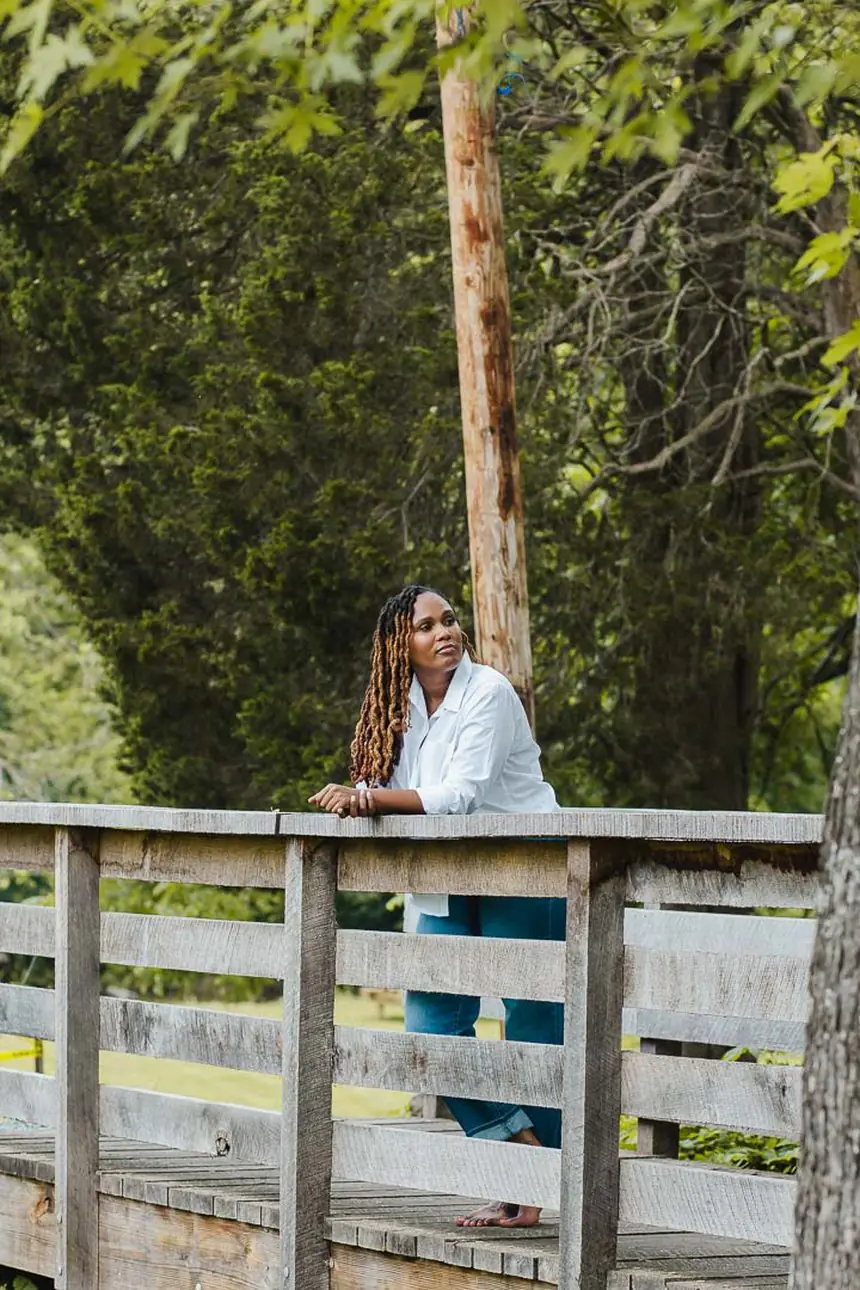
Charika White didn’t study organizational dysfunction from the outside. She worked inside community behavioral health organizations and hospital systems, as the frontline employee and as the manager. She knows what it feels like when a workplace asks more than it gives, and what it looks like when an organization builds something better.
Her dual credentials, licensed clinical social worker and MBA, mean she brings clinical depth to the human dynamics inside an organization alongside real fluency in business strategy, governance, and the bottom-line stakes of culture change.
Plenty of culture consultants can produce a report. The difference here is a consultant who has navigated these environments, understands what a varied workforce experiences day to day, and builds strategies aimed at lasting impact. That includes the unglamorous parts: whether your company values show up in what gets recognition, and whether every manager understands the role they play in a corporate culture people will stay in. More about her background lives on the holistic mental health support page.

Questions leadership teams ask first.
What is an organizational culture consultant?
An organizational culture consultant examines the beliefs, norms, behaviors, and values that shape daily experience at work, then helps leadership change them on purpose. It goes deeper than an annual survey or a team-building day. The questions are which behaviors get rewarded, where the gap sits between what leaders say and what the culture reinforces, and how far you are from the culture you say you want.
How is culture consulting different from HR consulting?
HR consulting usually works on policies, processes, and compliance. Culture consulting works on what it feels like to be here, and on how that feeling changes what people do, how long they stay, and whether you hit your goals. They’re complementary, and they answer different questions.
How do you define organizational culture in this work?
Organizational culture is the shared set of values, beliefs, behaviors, and norms that shape how people interact and decide things inside a company. It’s the unwritten rules, the communication patterns, which behaviors get rewarded and which get overlooked, and the stories people tell about what it’s really like to work there. The work starts with being honest about the culture that exists rather than the one leadership hopes exists.
How long does culture transformation take?
Sustaining culture change is a long-term project. Organizations often feel real shifts in engagement, communication, and team dynamics within months when leadership stays committed, and a full culture journey usually spans one to three years for durable change. Engagements get scoped around where you’re starting and how quickly leadership is ready to move.
Can this work fit within federal funding restrictions for nonprofits?
Yes, and it’s one of the reasons organizations come here. The psychological safety framework addresses the same core culture needs, belonging, fairness, representation, and voice, in language and methodology that’s operationally focused rather than ideologically framed. That lets organizations receiving federal or state funding invest in real culture change without putting grants at risk.
What does a culture assessment include?
Typically anonymous employee surveys, structured focus groups, individual leadership interviews, and a review of organizational data such as turnover patterns and engagement scores. It’s built to surface what people won’t say in a room with their manager. You receive a findings report with actionable insights, a clear picture of the gaps, and a prioritized roadmap.
How do you measure success?
Success gets defined together at the start of the engagement. Metrics might include employee satisfaction scores, reduced turnover, higher engagement on internal surveys, stronger collaboration scores, or leaders consistently demonstrating new behaviors. Qualitative signals count too: people reporting they feel heard, teams handling conflict better, culture champions emerging at different levels.
What does organizational culture consulting cost?
Fees are customized by organization size, scope, and engagement structure. Workshops run on flat-rate pricing for a single session, and comprehensive engagements work on a project or retainer basis. The free consultation covers your goals and your budget, and the proposal that follows is built around both. There’s no fixed price list, because no two organizations start from the same place.
Do you work outside Washington DC?
Yes. Organizations across Maryland, including Baltimore and the Montgomery and Prince George’s County corridors, work with Charika alongside DC-based teams. Consulting sessions run well over video, and in-person engagements can be arranged for events in DC and Maryland.
Is this therapy for our staff?
No. Consulting is organizational work rather than clinical care, and no employee becomes a therapy client through an engagement. If individuals need their own support, that runs separately through the therapy side of the practice or through a referral.
Ready to change the culture, not the poster?
Schedule a free consultation to talk through what your organization is facing and whether this approach is the right fit. An honest conversation about what your team needs.