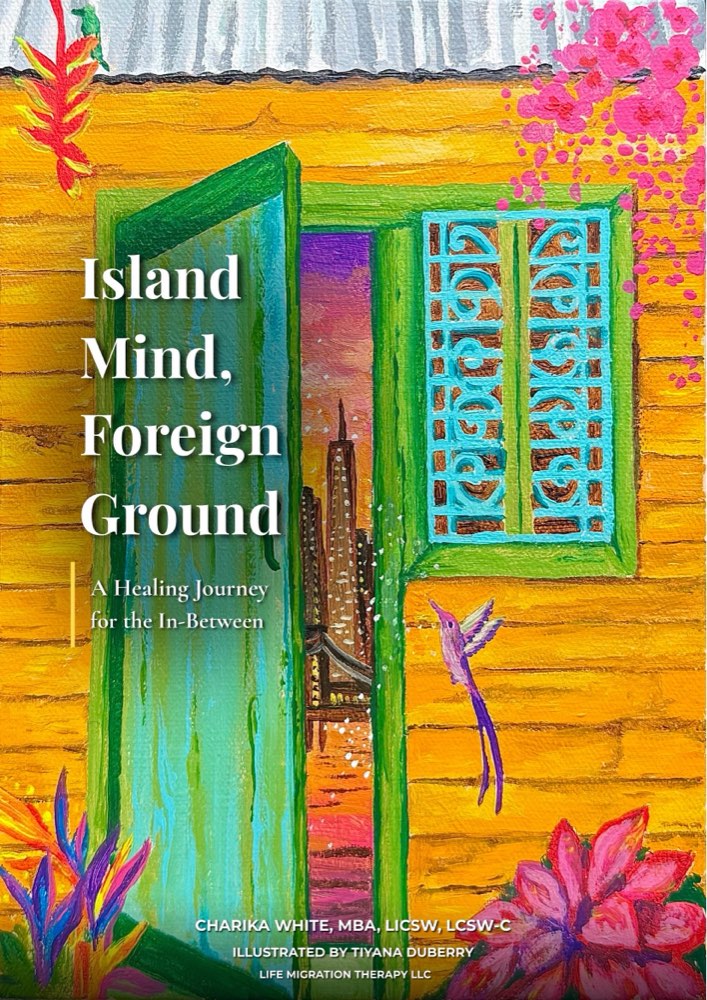
Therapy resources from a culturally grounded psychotherapist
Reflections and mental health education for people navigating trauma, identity, migration, and the ordinary exhaustion of holding a lot together. Written by Charika White, LICSW, LCSW-C.
Who do you call if you need help right now?
These are staffed by people trained for the moment you're in. Tap any number to call. This practice isn't a crisis service.
- Suicide and Crisis Lifeline 988
- Crisis Text Line Text HOME to 741741
- Trans Lifeline 877-565-8860
- DC Rape Crisis Center, 24 hrs 202-333-7273
- House of Ruth DV Hotline, 24 hrs 202-667-7001
- DC Mobile Crisis Team 202-673-9300
- Psychiatric Emergency Service, 24 hrs 202-561-7000
- La Clinica del Pueblo, Spanish 202-462-4788
Find the one that matches what you’re carrying.

How Many Hours of Supervision for LCSW Licensure in DC and Maryland
How many hours of supervision for LCSW licensure each board requires in DC and Maryland, what counts as face-to-face, and what to get in writing first
Read the article →Leaving, staying, and what it costs
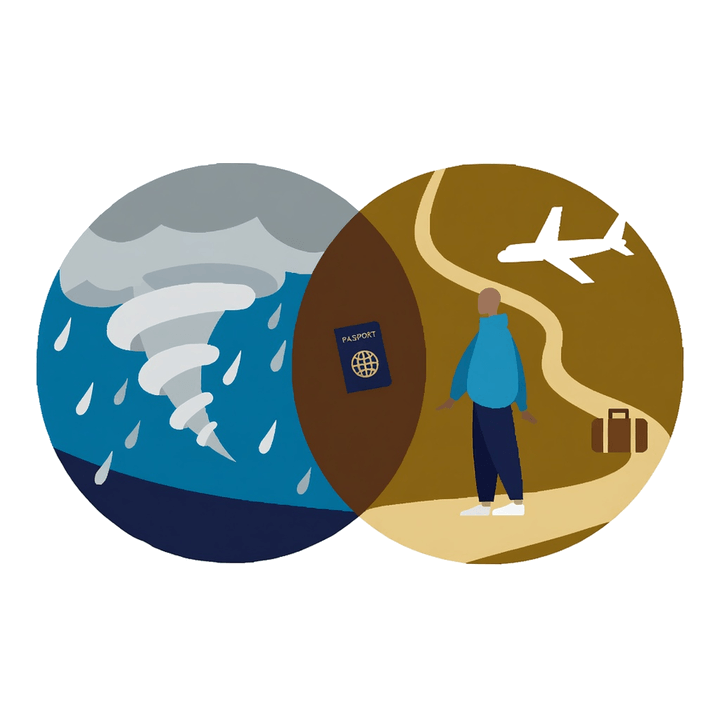
Immigration stress does not arrive as one event. It shows up as a fear that never fully switches off, a household that learned to stay quiet, and patterns handed down before anyone could name them. These start there: what the fear does to your body while you are still living your life, what happens to a family and a community when the worst does occur, and how something that began two generations ago is still setting the temperature in your house today.


When you have run out of capacity
Burnout is not ordinary tiredness and a weekend does not fix it. These look at what is draining you, and the answer is rarely the obvious one. A job that never switches off is one version. The cost of masking all day is a different one that rest alone will not touch. And a feed that keeps your nervous system braced for the next bad thing belongs in the same conversation, because your body does not file it separately.



Culture, identity, and being met as you are
Therapy that treats your culture as background noise keeps missing the point, and you end up doing translation work in the one room where you should not have to. These cover what it means to be met as you actually are: where inherited strength holds you up, where it quietly costs you something, and what the field is still carrying from its own history. The piece featured above, on affirmative therapy, belongs with them.

Jamaican Resilience and Mental Health: Finding Strength in the Storm
Read on →
What Is Cultural Responsiveness? A Guide to Spaces Where Everyone Belongs
Read on →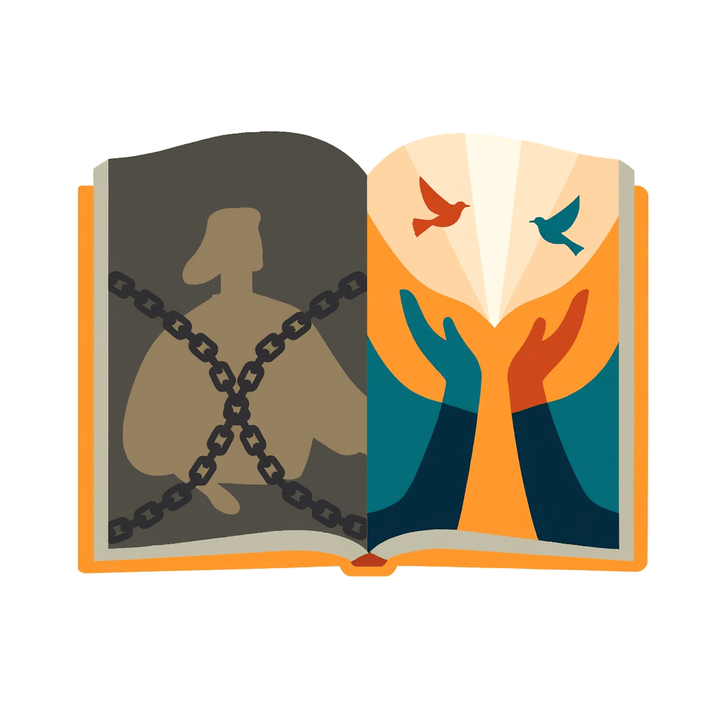
Decolonizing Therapy: What It Means and How It Can Help You Heal
Read on →For therapists and supervisees
Not everything here is written for clients. Charika supervises toward licensure in DC and Maryland, and this is the practical one: what supervision costs per hour, what moves the rate, and how many hours you are looking at.

Also in the library

Start with whatever's loudest.
These aren't a curriculum and they aren't in an order. They exist because the same questions come up over and over in a first session, and it seemed unfair to make people pay for an hour to hear the general version of an answer that could just be written down.
Read one. If it names something accurately, that's useful information about where to start. If it doesn't, that's useful too, and there's no obligation to keep going.
One caution worth saying plainly: reading about something can feel like working on it, and it isn't quite the same. Articles are good at naming a pattern and poor at changing one, because the changing part usually needs another person in the room. If you've read a great deal and moved very little, that isn't a discipline problem. It's the ceiling of the format.
If you're dealing with
- Feeling like you translate yourself at work
- What is cultural responsiveness
- Immigration stress, or a case that needs an evaluation
- Immigration evaluations
- Wondering what therapy here actually looks like
- Individual therapy in Maryland
- Cost, insurance, and whether this is affordable
- Fees and superbills
- Being a clinician who needs supervision hours
- Clinical supervision in DC
Take the code-switching quiz.
The one thing in this library that reads you back. Ten questions on adjusting yourself to fit the room, scored out of 40, with your result emailed to you.
Free, about three minutes. Not a diagnosis, and nobody sees your answers except you.
Questions about this library.
Do I need to live in DC or Maryland to read these?
No. The articles are open to anyone, anywhere. Therapy with Charika is a different matter: she is licensed in Washington, DC and Maryland, so sessions are only available to people located in those two places.
Who writes them?
Charika White, LICSW in Washington, DC and LCSW-C in Maryland. She is Jamaican born and works with adults across the diaspora, and she writes these herself rather than publishing generic mental health content.
Can I share one with my family?
Yes, and people often do. An article can say a thing to a parent or a sibling that is hard to say directly, and it arrives without anyone having to start the conversation from nothing.
When you would rather say it out loud.
If something here sounded like your life, a free 15-minute call is the shortest distance between reading about it and working on it.