Is Code-Switching Bad?
Or is it what survival costs?
You change your voice for the meeting, your humor for the room, your whole face for the family dinner. Ten questions on what that costs you, scored, with the result sent to your inbox.
Where should Charika send your results?
Ten questions, about three minutes. Your score and what it’s telling you lands in your inbox, along with a few questions worth sitting with afterward.
Question 1 of 10
How often does this feel true?
I change how I speak, my accent, slang, tone, or level of formality, depending on who I’m with.
How often does this feel true?
I hold back parts of my personality or humor because I’m unsure how they’ll be received.
How often does this feel true?
I feel like I have to perform competence, friendliness, or likability to be taken seriously.
There are no right or wrong answers here.
Nothing you check makes you difficult, dramatic, or ungrateful. You’re describing what it costs you to move through certain rooms.
How often does this feel true?
I edit my opinions, reactions, or emotions in professional or academic spaces.
How often does this feel true?
I feel drained after spending time in spaces where I don’t feel culturally at home.
How often does this feel true?
I’ve been told I “seem different” depending on who I’m around.
Code-switching can be a rational response to environments where being fully yourself has not always felt safe.
It’s something many of us learned early, often for protection. Noticing what it costs isn’t the same as deciding it was wrong to learn.
How often does this feel true?
I avoid sharing parts of my culture, family, or background because I don’t want to explain or defend them.
How often does this feel true?
I feel like I have to prove I belong, even in spaces I’ve earned my way into.
How often does this feel true?
I soften or downplay my emotions, especially anger or frustration, to avoid being stereotyped.
How often does this feel true?
I notice myself relaxing or exhaling once I’m back around “my people.”
Answer for how it usually feels, not how you think it should feel.
The version of this that helps is the honest one, and nobody sees these answers except you.
The longer reading is on its way to your inbox, with what this range tends to mean and a few questions to sit with. If it hasn’t arrived in a few minutes, check your spam folder.
Your score isn’t a diagnosis, and there’s no good or bad number here.
Choose an answer for each one to continue.
Free, about three minutes. Not a diagnosis, and nobody sees your answers except you.
Is code-switching bad?
Code-switching is the adjusting people make to fit the room they are in: how you speak, how much of your accent you let through, how much feeling you show, how you wear your hair, how much space your name is allowed to take up.
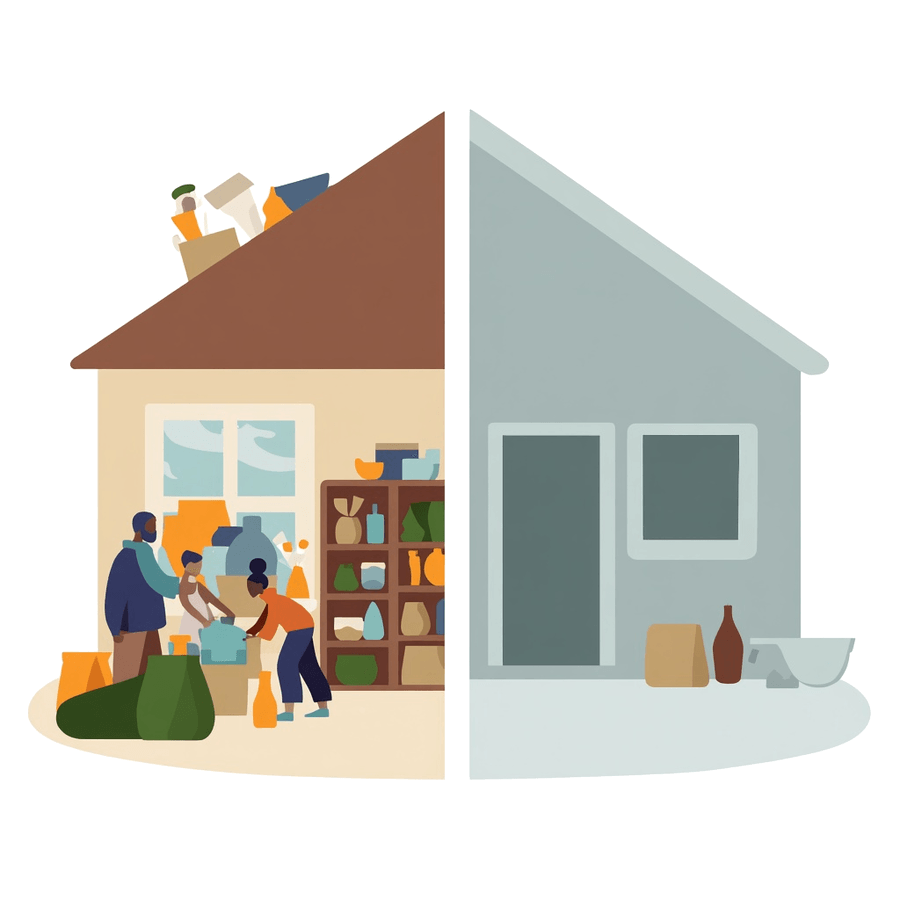
No, it isn’t bad. And you didn’t fail by learning it. Most of us learned code switching early, and we learned it because it worked. It kept us hired, understood, and safe in rooms that weren’t built with us in mind.
What it is, is expensive. That’s the part almost nobody counts.
Code-switching is not a skill.
It is survival.
People call it a skill because from the outside it looks like competence. Reading a room. Being easy to work with. Being professional. But a skill is something you pick up and put down as you please. Survival is something you do because the alternative costs more than you can afford to pay. Calling it a skill quietly moves the weight onto you, as though being worn out by it means you’re doing it wrong.
You’re not doing it wrong. You’re doing something that takes real energy, in rooms that have never once had to think about it. It deserves to be named.
Why do people code-switch?
Rarely out of shame, and almost never out of embarrassment about where you come from. In my work with adults across Washington, DC and Maryland, it usually comes down to four things.
Safety
Some rooms have made it clear, sometimes without saying a word, which version of you is welcome in them.
Being taken seriously
Adjusting your speech so the idea gets heard, instead of the accent it arrived in.
Getting ahead of the stereotype
Managing an assumption before it arrives, so it doesn’t get to enter the room ahead of you.
Belonging
Wanting, plainly, to be let in. That one is human, and there’s no shame in it.
Every one of those is a rational response to a real environment. Your read on the room was sound. What nobody accounts for is that the adjusting comes out of you somewhere.
What does code-switching cost?
The cost of code switching shows up in the body long before anyone puts a name to it. This is what I hear most often in session.
Exhaustion rest won’t fix
You slept. You’re still tired. Monitoring yourself all day is work, and it doesn’t show up on anybody’s calendar.
Hypervigilance
Scanning faces, checking tone, rehearsing the sentence in your head before you say it out loud.
Anxiety and low mood
Often read from the outside as being on top of everything, right up until it isn’t.
Losing your own thread
Enough versions, for long enough, and it gets hard to say which one is actually you.
Distance from your people
The switch doesn’t always turn off at the door, and sometimes it follows you home.
Being the strong one
Holding it together so consistently that nobody thinks to ask, and asking starts to feel unavailable to you.
If that reads like a description of your week, the writing on burnout goes further into what happens when the performing doesn’t stop, and the piece on cultural responsiveness covers why so many spaces ask for this without ever noticing they asked.
What is the difference between code-switching and masking?
They overlap, and they’re not the same thing.
Code-switching
Usually about culture. Adjusting language, tone or presentation to move between cultural settings: the work call voice, the softened frustration, the joke you hold.
Masking
Usually about neurodivergence. Suppressing how your brain actually works, stimming, focus, sensory needs, so it reads as typical to everyone watching.
Plenty of people do both at once, all day, and that combination is heavy in a way that’s easy to underestimate. If you’re autistic or ADHD and also Black, immigrant, or both, you’re running two adaptations on top of each other and probably calling it your personality.
What does code-switching look like at work?
Work is where most people notice it first, because work is where the stakes have money attached to them.
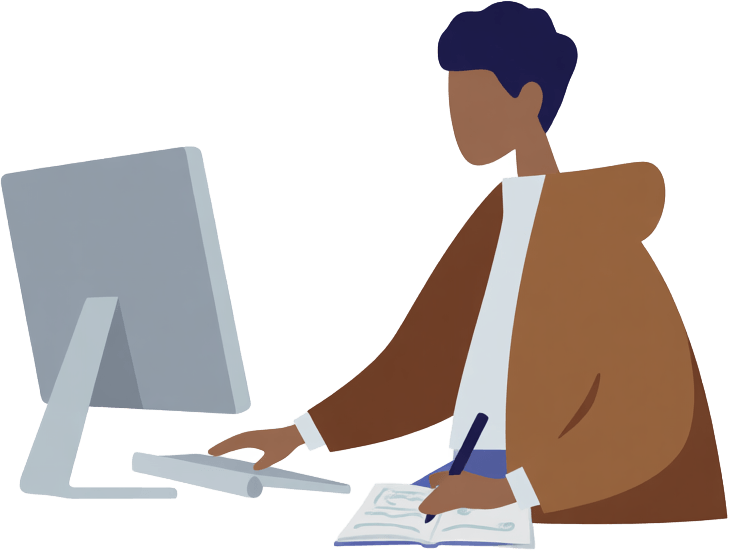
- ✓Flattening your accent on a call
- ✓Softening frustration so it won’t be read as anger
- ✓Holding a joke until you know how it’ll land
- ✓Choosing a hairstyle by how it’ll be received in a meeting, when you wanted something else that morning
- ✓Rehearsing a sentence three times before you say it out loud
None of that shows up in a performance review. All of it comes out of the same account.
How do you stop code-switching, and is stopping the goal?
Stopping everywhere isn’t the goal, and I wouldn’t ask that of anyone.
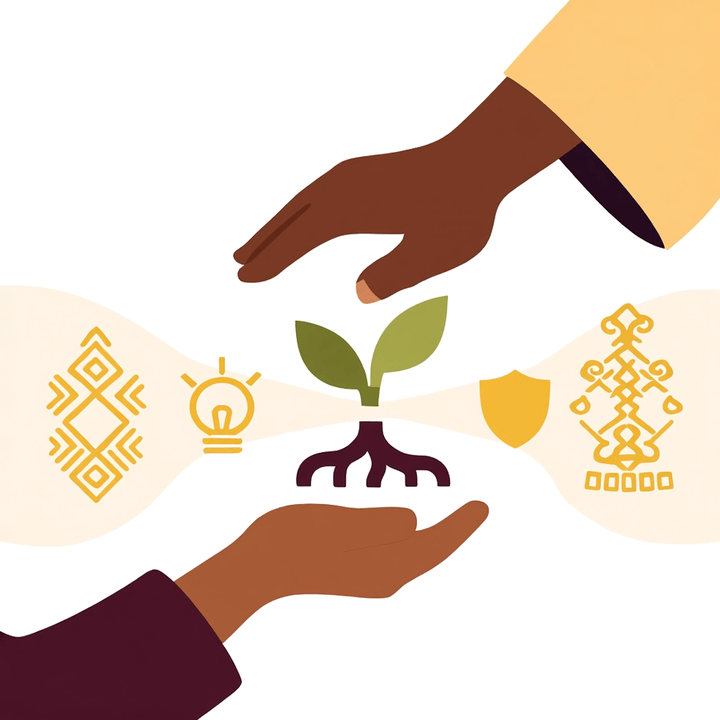
Some rooms genuinely aren’t safe, and adjusting in them is a reasonable call, not a personal failing. What I want for you is that it becomes a choice you make with your eyes open, one you can feel yourself making.
That usually starts small. Noticing where it happens. Naming what it protects you from. Finding one room, even one, where you don’t have to do it. For a lot of people the first honest answer to where do I get to stop is nowhere, and that answer deserves to be taken seriously.
The survival strategies you built kept you safe.
Some of them no longer fit.
Both of those are true at the same time, and neither one cancels the other. This is most of what I do all day. Charika works with adults as a Black female therapist in DC and as an African American therapist in Maryland, by telehealth in both, and this is one of the most common things people arrive carrying.
Charika White, LICSW, LCSW-C
A Jamaican born psychotherapist who works with adults across Washington, DC and Maryland by telehealth. She wrote this quiz out of the same work she does in session, with people who’re exhausted from being slightly different versions of themselves all day.
If your result opens something up, a free 15 minute call is a low stakes place to talk it through. If it doesn’t, keep the score anyway. It’s yours.
More about how she works →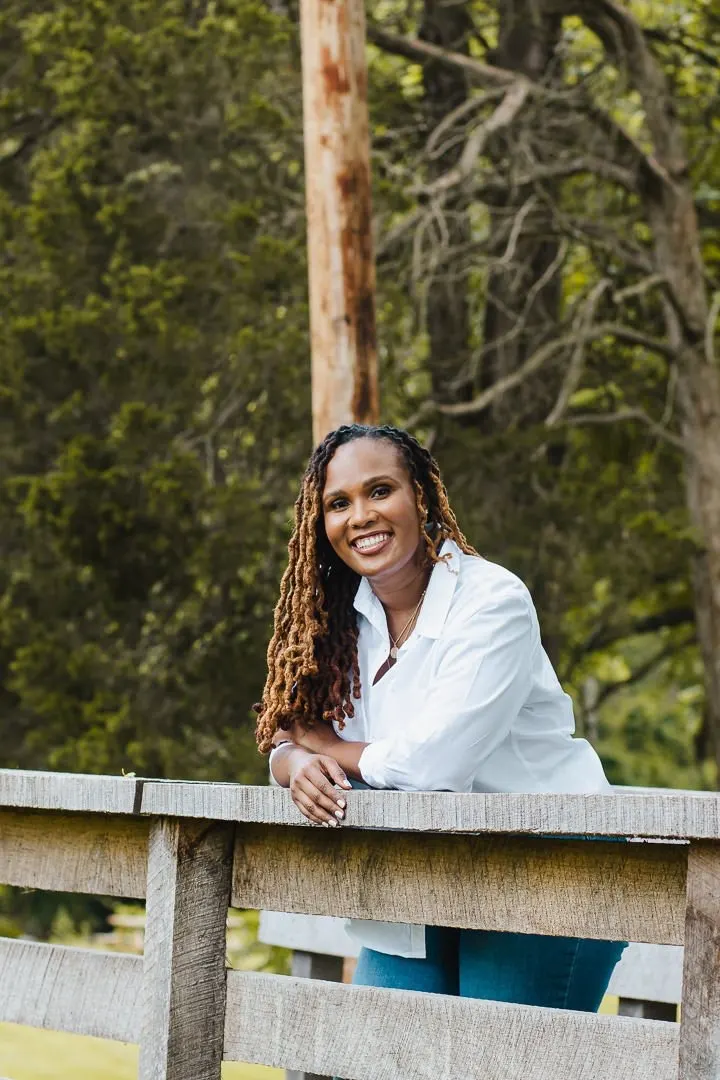
What is this quiz, exactly?
What is code-switching?
Code-switching is adjusting how you speak, act, dress, or express emotion depending on the room you are in. Changing your accent for a work call, holding back humor until you know how it’ll land, softening frustration so it won’t be read as anger. Many of us learned it early, often for protection, and it can be so automatic that you stop noticing you’re doing it.
What does this quiz measure?
How often you find yourself adjusting, and what that adjusting appears to cost you. Ten statements, each answered on a five point scale from never to almost always, for a score out of 40. The score points to one of four ranges, from adapting through surviving, and each range comes with what it tends to mean, not a verdict.
Is this a diagnosis?
No. It’s a reflection tool, so no score here diagnoses anything, and taking it doesn’t establish a client relationship. What it’s good for is language: many people find it easier to talk about what they’re carrying once they’ve seen it written down as a pattern.
Why do you ask for an email first?
Your result is emailed to you, so Charika needs somewhere to send it. The email includes your score, what that range tends to mean, and reflection questions to sit with afterward. You can unsubscribe from anything else anytime, and the quiz itself takes about three minutes.
Do I need to be in therapy to take it?
Not at all. Plenty of people take it out of curiosity, or because something about the phrase code-switching landed. Some bring what surfaces into therapy they are already in. If you decide you want support afterward, Charika works with adults across Washington DC and Maryland by telehealth, and the first call’s free.
Is code-switching normal?
Very. Almost everyone adjusts themselves somewhat depending on the room, and moving between a work voice and a home voice is ordinary. What is worth paying attention to is how much it takes out of you. Some adjusting costs you very little. Other adjusting leaves you depleted, second-guessing yourself, or unsure which version is really you, and that is the kind worth looking at.
Can code-switching cause burnout or anxiety?
Code-switching can contribute to both. Constant self-monitoring keeps the nervous system working in the background all day, and that shows up as exhaustion that rest does not fix, anxiety, low mood, or withdrawing from people. Code-switching alone is not a diagnosis of anything, and plenty of other things cause those symptoms too. If they sound familiar, that is worth a conversation with someone.
What is code-switching in psychology, as opposed to linguistics?
In linguistics, code-switching means alternating between languages or dialects mid-conversation, which is a neutral technical description. In psychology and in therapy, it means adjusting how you speak, act, and present yourself to fit an environment, usually one where being fully yourself has not felt safe or welcome, and that second sense is the one this quiz asks about. Same word, two separate fields, which is why searching the term turns up so much linguistics coursework.
Is code-switching only a Black experience?
No, though in the United States it is most often discussed in the context of Black Americans, and for good reason. Immigrants, first-generation adults, queer people, disabled and neurodivergent people, and anyone whose way of being reads as different in a given room all describe some version of it. Charika works with adults across that whole range in Washington, DC and Maryland.
What are examples of code-switching?
Examples of code-switching include moving between Black English and a formal work register, softening a joke or an opinion so it isn’t read as aggressive, and swapping the name you use at home for one that’s easier to pronounce at the office. Some people use code-switching all day without naming it, and some notice only when they exhale at home. Different cultural settings ask for different adjustments, so the list is long and personal.
Why is there so much pressure to code-switch?
The pressure to code-switch comes from rooms where the dominant culture sets the cultural norms and treats everything else as the exception. Negative stereotypes raise the stakes: you may code-switch to avoid being called aggressive, unprofessional, or told you’re acting white. People often feel they are managing the comfort of others before their own, and many of us code-switched for years before we had a word for it.
Is code-switching positive or negative?
Code-switching has positive and negative sides, and both can be true on the same day. Code-switching may protect you in a room that isn’t safe, and it can wear down your sense of an authentic self when it never stops. It can also keep your cultural identity whole at home while work asks you to set it aside, which is why the useful question is what it protects and what it costs you.
Can clinicians use this with clients?
Yes, and Charika wrote it partly with that in mind. It works as a conversation starter, never a diagnostic measure: use the score to explore where code-switching or masking happens, what it protects against, and what greater psychological, relational, or professional safety might make it possible to carry less of that burden.
You don’t have to explain the whole thing.
Charika’s heard this one before. A free 15 minute call, telehealth across Washington, DC and Maryland, and no obligation to book anything after it.
This quiz is a reflection tool, not therapy and not a diagnosis. If you are in crisis, call or text 988 to reach the Suicide and Crisis Lifeline, free and confidential, around the clock.