Psychological Safety Consulting in Washington, DC
High turnover. Chronic burnout. Disengaged teams. These aren’t only HR problems, and generic wellness programs won’t fix them, because the causes usually sit in the conditions people work under.
Workshops, leadership development, culture assessments, and keynote speaking for organizations across Washington DC and Maryland.
What is psychological safety at work?
Psychological safety is the shared belief on a team that it’s safe to speak up: to raise a concern, admit a mistake, ask the obvious question, or disagree with someone senior, without it costing you standing.
It’s a property of the environment, not of the individuals in it, which is exactly why it can be assessed and built instead of hired for. Teams with psychological health and safety in place surface problems early, treat mistakes as learning, and hold on to the people they spent months recruiting. Teams without it go quiet, and the silence costs performance long before anyone resigns. That gap is where most of the measurable impact of psychological safety work sits.
Nobody raises the real issue until it has already become a crisis, and then everyone says in the corridor afterwards that they saw it coming.
Meetings end in agreement and the disagreement continues afterward, in smaller rooms and side messages.
Your strongest performers leave without a competing offer, and the exit interview is polite, brief and tells you nothing you can act on.
The wellness benefit goes unused because the thing draining people isn’t something an app can reach.

Mission-driven organizations running on empty.
Nonprofits in Washington DC. You’re delivering critical community programs with lean teams. Turnover keeps disrupting service delivery, and you need strategies that fit a Washington DC nonprofit budget and still move retention.
Corporate teams whose engagement numbers keep slipping. The employee wellness initiatives aren’t landing evenly across the workforce, and you already know it. This work moves teams past checkbox wellness toward psychological safety practices that hold up under real pressure.
Schools and universities carrying staff burnout. Faculty and staff are stretched thin, morale is low, and retention has become a live concern. The pressures in educational environments are specific, and generic solutions rarely account for them.
Five ways this work shows up.
Engagements are built around what your organization is dealing with, not around a fixed package.
Psychological safety workshops
Interactive sessions where teams learn how a psychologically safe environment is built and eroded, identify their own trust gaps, and practice the skills that let people speak up, admit mistakes, take risks, and contribute fully.
Burnout prevention training
Evidence-based strategies for spotting early warning signs, setting sustainable boundaries, and protecting mental health at the individual level and the organizational one at the same time.
Organizational culture assessments
Diagnostic work that identifies where the breakdowns are happening, followed by customized recommendations for building a healthier, more sustainable culture.
Leadership development
Coaching for managers and executives on nervous-system-aware communication, handling hard conversations without shutting a team down, and leading in a way that keeps psychological safety intact.
Keynote speaking
Talks for conferences, retreats, and all-staff gatherings on psychological safety, burnout, and building workplaces where people can do their best work without running on empty.
Related organizational work lives on the organizational culture consultant and workplace wellness consultant pages.
Request a custom consultation quote.
Tell Charika what your organization is dealing with, roughly how many people it touches, and the timeline you’re working with. She usually replies within 1 to 2 business days to set up an initial conversation.
That first conversation covers your specific challenges, team size, and goals, and it produces a proposal that fits your budget and timeline. There’s no obligation attached to it. Prefer to talk first? Call or text 301-244-8219, or email info@lifemigrationtherapy.com.
Prefer to skip the form? Book your free call directly or call or text 301-244-8219.
Start the conversation
Four ways engagements are structured.
This work is an investment in sustainability. Organizations that build psychological safety see improvements in retention, productivity, and team cohesion, and those outcomes offset recruitment and turnover costs directly.
Workshops
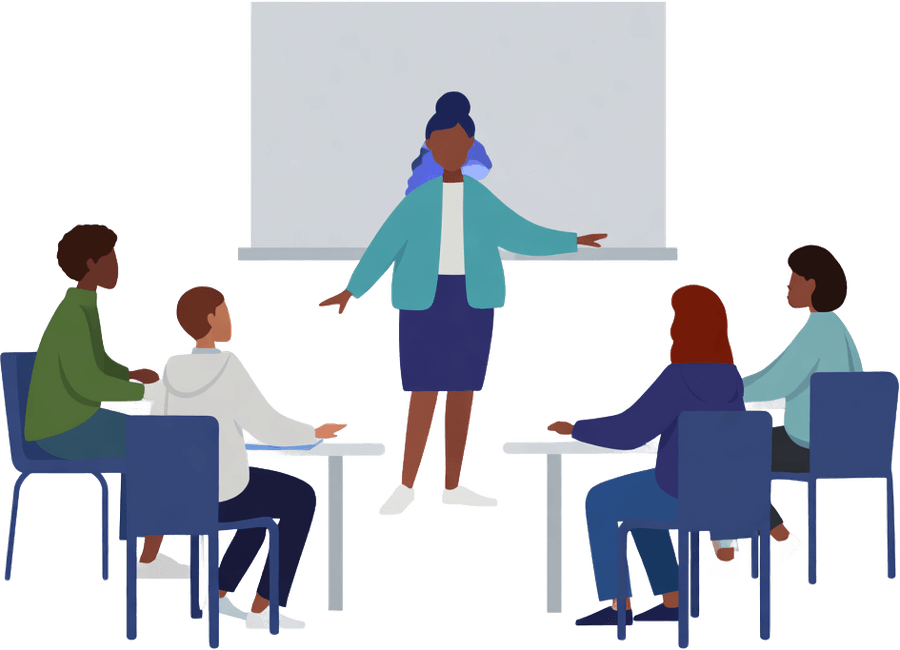
Burnout prevention or psychological safety foundations, delivered in one focused session for a team, a department, or an all-staff group.
Training programs
Leadership development and resilience building across several sessions, with practice time in between so the skills survive contact with a real week.
Consulting partnerships
Culture assessments plus implementation support, scoped in months, for organizations that want the change to outlast the workshop.
Keynote speaking
Conferences, retreats, and all-staff events, with the talk shaped around who is in the room and what you want them leaving with.
Every engagement starts with a free consultation covering your specific challenges, team size, and goals, so the proposal that follows matches your budget and your timeline.
A clinician who speaks the language of the business.

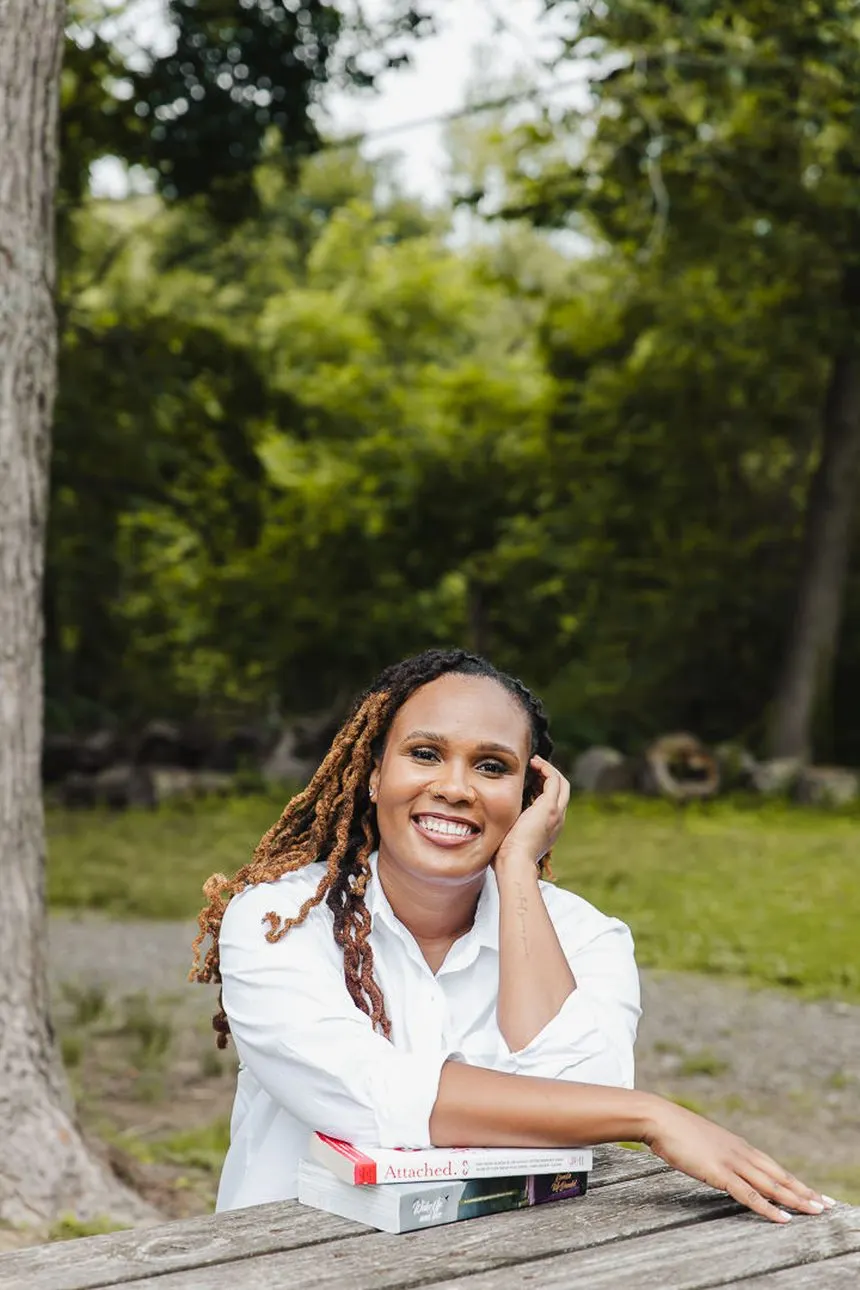
Charika White holds an MBA alongside her clinical licensure, LICSW in Washington DC and LCSW-C in Maryland. That pairing is the whole point. She reads a team with a clinician’s understanding of how stress changes behavior, drawing on research and on direct clinical experience, and she reports back in the terms leaders already use: retention, engagement, cost of turnover, capacity to deliver on the mission. Most consultants have one of those two vocabularies. Creating conditions where people will speak honestly is social work as much as it is management theory, and the practice of sitting with the people who eventually become an exit interview is a useful vantage point when you’re trying to keep them.
Turnover and burnout are not inevitable. They are downstream of conditions you can change.
Fellow clinicianCharika is an exceptional therapist and colleague who brings warmth, insight, and depth to every interaction. She consistently creates spaces where clients and those around her feel truly supported and cared for.
One conversation, then a proposal you can act on.
The first call is a free consultation. You describe what’s happening: the turnover pattern, the engagement scores, the team everyone tiptoes around. Charika asks about size, structure, timeline, and what has already been tried, because the failed attempts usually explain more than the org chart does.
Assessment work here runs on deep listening before any recommendation: confidential surveys, listening sessions, and skip-level conversations where staff can say what they see without a manager in the room. The questions are simple and revealing. What makes you feel valued here? What would you change if you had the power? Then the discipline is receiving the answers without defensiveness, believing what people report even when it differs from the view at the top, and reporting back on what changed, because input that disappears into a void teaches a team to stop offering it.
What follows is a written proposal with a recommended format, a scope, and a price, matched to your budget and calendar. If a workshop is all you need, that’s what the proposal says. If the pattern points to something a workshop can’t touch, that’s what it says instead.
Consulting engagements are organizational work rather than clinical care, and no employee becomes a therapy client through one. When individuals need their own support, that runs separately through the individual therapy side of the practice or through a referral.

Questions organizations ask first.
What is psychological safety at work?
Psychological safety is the shared belief on a team that it’s safe to speak up: to raise a concern, admit a mistake, ask an obvious question, or disagree with someone senior, without it costing you standing or your job. Research on team performance has found it to be one of the strongest predictors of whether a group learns and delivers. It’s a property of the environment, not of the individuals in it, which is why a psychologically safe workplace is something an organization can build.
What does psychological safety consulting involve?
Psychological safety consulting usually starts with an assessment of where trust breaks down: which conversations don’t happen, which teams route around a manager, where turnover clusters. That produces data and insights you can act on. From there it becomes practical work with management and teams on the behaviors that create or erode safety in the workplace, followed by implementation support so the change survives past the workshop. Engagements range from one session to an ongoing partnership.
How is this different from a wellness program?
Wellness programs act on individuals: a meditation app, a step challenge, a webinar. Useful, and they don’t touch the conditions producing the burnout. Psychological health and safety work acts on the environment, which is where the causes usually sit. Organizations often find the wellness spend starts working better once the underlying conditions change, because the same benefit lands differently in a team where people can say what is going wrong.
Who does Charika work with?
Mission-driven organizations across Washington DC and Maryland: nonprofits running critical programs with lean teams, corporate teams whose engagement scores keep slipping, and schools and universities where staff burnout has become a retention problem. She works with leadership, whole teams, and conference audiences.
What does an engagement cost?
Consulting and speaking are quote-based, scoped after an initial conversation about your team size, timeline, and goals. That conversation is free and carries no obligation. Pricing depends on format, because a single workshop and a multi-month partnership are very different pieces of work.
Do you offer keynote speaking?
Yes. Charika speaks at conferences, retreats, and all-staff gatherings on psychological safety, burnout, and building workplaces where people can contribute fully. Talks are built for the audience in the room and not pulled off a shelf, so the pre-event conversation covers who is attending and what you want them walking out with.
Are sessions virtual or in person?
Both are possible for organizational work. Workshops, leadership sessions, and consulting partnerships run well over video, and in-person engagements can be arranged for events in Washington DC and Maryland. This is separate from the clinical side of the practice, which is telehealth only.
What are Charika’s credentials for this work?
Charika White holds an MBA alongside her clinical licensure, LICSW in Washington DC and LCSW-C in Maryland. That combination is the point: she reads an organization with a clinician’s understanding of stress and behavior, and she talks about retention, engagement, and cost in the language leadership already uses.
Is this therapy for employees?
No. Consulting engagements are organizational work, not clinical care, and no employee becomes a therapy client through them. If individuals need their own support, that runs separately through the therapy side of the practice or through a referral.
How long does an engagement take?
A single workshop is one session. Multi-session training programs typically run across several weeks so teams can practice between them. Ongoing partnerships, including assessment and implementation support, are usually scoped in months, because culture change that sticks doesn’t happen in an afternoon.
Build a culture that keeps your team.
Schedule a free consultation to talk through what your organization is facing and what it would take to change it. An honest conversation about what your team needs.