Black and Brown Couples Therapy in DC and Maryland

Couples therapy at Life Migration Therapy is online counseling for Black, Brown and LGBTQ+ couples in DC and Maryland who want the whole relationship understood, culture and family included.
$315 per 75-minute couples session Self-pay, superbill available
For adult couples in Washington DC and Maryland. Sessions are with a couples clinician at the practice, and every couple starts with a free 15-minute call to see if it’s a good fit.
What is culturally responsive couples therapy?
Culturally responsive couples therapy is couples counseling where race, culture, identity and family history count as part of the relationship from the first session.

Maybe the two of you spend all day code-switching and come home with nothing left for each other. Maybe one of you grew up in a house where family business stayed in the family, and marriage counseling with a stranger still feels like breaking a rule. Maybe it’s the family back home, the money that goes to them, or the in-laws with an opinion on everything. Or maybe you tried a therapist once and spent the first three sessions explaining all of it.
Life Migration Therapy was built around that context. The practice treats the daily cost of code-switching, the systemic pressures Black and Brown couples carry, and the pull of generational patterns in immigrant families as real forces between two people.
You shouldn’t have to translate your relationship before the real work starts.
What do couples work on in therapy?
Many couples arrive with one argument they keep having and a list of what they’ve stopped saying out loud. Any of these relationship issues is a reason to start.
The same argument, on repeat
The fight that starts about the dishes and ends somewhere else entirely, every single time.
Talking that shuts down
One of you pushes to talk it through, the other goes quiet, and neither of you feels heard.
Trust after a breach
Rebuilding after an affair, a secret, or a promise that didn’t hold.
Family and in-laws
Parents, siblings, and expectations from back home that keep landing on the relationship.
Money
Different rules about spending, saving, and who gets supported, learned in two different houses.
Distance and intimacy
Feeling more like roommates than partners, and not knowing how to close the gap.
Life transitions
A move, a new baby, a loss, or the long adjustment of building a life in a new country.
Staying or going
Deciding whether the relationship has a future, with someone steady in the room while you work it out.
Couples counseling starts with whatever is loudest between you, and the quieter concerns get room as the work goes on. If one of you wants time alone with what you’re carrying, say so on the free call. If one of you wants to find a therapist for one-on-one work as well, the practice offers sessions with an LGBTQ therapist in DC.
Many people in the Black community, and in Brown communities too, were taught to keep relationship trouble inside the family, so seeking therapy together can feel like breaking a rule. Therapy for Black and Brown couples names that early, along with racial identity, intergenerational trauma, and the unique challenges of building a life together in a country that didn’t always make room for you. Culturally competent care treats Black mental health and each partner’s mental wellness as part of the relationship, along with the anxiety, depression, and stress that show up between two people. Finding a therapist who can hold both of your histories at once is often the hardest step, and the free call is where you find out.
Send one message, and we'll set up your free call.
Reaching out about couples counseling can feel like a big step, especially when only one of you is sure about it yet. This form goes to the practice, and we usually write back within 1 to 2 business days to set up a free 15-minute call.
On that call you’ll speak with the clinician about what’s going on between you and see whether it’s a good fit. You can also reach the practice through the contact page.
Prefer to skip the form? Book your free call directly or call or text 301-244-8219.
Send us a message
Who will we be working with?
Couples sessions at Life Migration Therapy are with a couples clinician at the practice. The practice looks for couples clinicians who can name the systemic pressures Black and Brown couples carry, who have experience with LGBTQ+ couples, and who come to every relationship with an open mind.
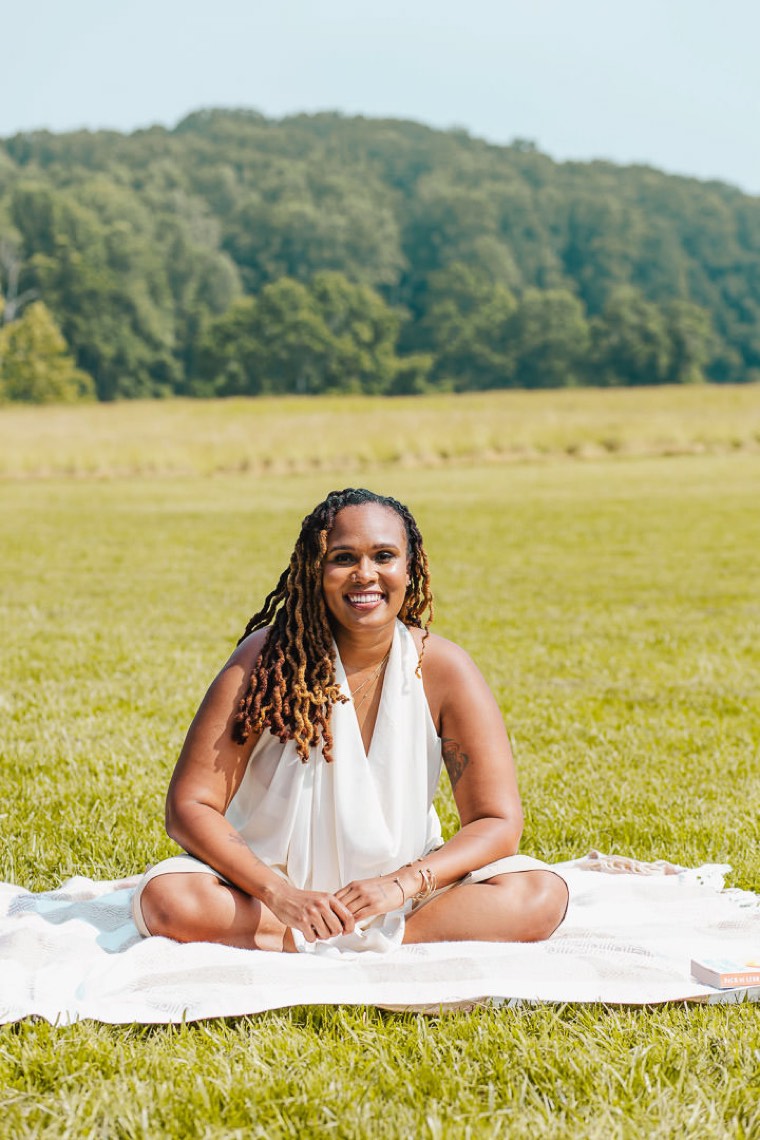
Life Migration Therapy was founded by Charika White, LICSW in Washington DC and LCSW-C in Maryland, a queer Black immigrant woman from Jamaica who built the practice for people who are tired of explaining themselves. Her own sessions are individual therapy.
Every couple starts with a free 15-minute call to speak with the clinician and see whether it’s a good fit. If it turns out one of you would be better served starting on your own, you’ll hear that on the call, and individual sessions with a psychotherapist in Maryland and DC are one place to begin.
How much does couples therapy cost?
Couples therapy at Life Migration Therapy is $315 per 75-minute session, self-pay, with the same price in DC and Maryland.
4 sessions: $1,260
Self-pay. A superbill is available on request for possible out-of-network reimbursement.
The practice is self-pay by design, because insurance creates barriers for vulnerable communities. Your relationship stays off an insurance claim unless you decide to submit one yourself, and you know the full cost before the first session. The self-pay mental health services page explains how a superbill works if you want to ask your plan about reimbursement.

Is couples therapy available online in DC and Maryland?
Couples therapy at Life Migration Therapy happens over secure video, so the two of you can join together from a rowhouse in Petworth, an apartment near Navy Yard, a townhouse in Bowie, or a house in Columbia or Baltimore. Both partners need to be in Washington DC or Maryland during the session, since those are the two places the practice offers couples therapy. If race and culture aren’t the focus you’re after, the practice’s page on couples therapy in Washington DC covers the same sessions for every couple.
For a lot of couples, the privacy matters as much as the convenience. You won’t sit in a waiting room or run into a coworker on the way out, and after a hard conversation you’re already home.
For one-on-one sessions, an African American therapist in Maryland sees adults online from Silver Spring to Baltimore.
What happens in the first couples therapy session?
The first session is about getting to know the two of you. Each partner gets room to say what brought you in, what still works between you, and what you’d like to feel different, with time to talk about the family and cultural history each of you carries into the relationship. The session works toward naming the pattern the two of you get caught in, so you can both start stepping out of it.
From there, each session goes where the two of you need it most. Some sessions stay with one specific argument. Others go to the slower work of rebuilding trust, steadying each other through life transitions, or learning to ask for what you need without it turning into a fight. Change often shows up first in small places: a disagreement that stays about what it started about, or a hard conversation that ends with both of you still in the room.
The goal is a relationship that feels like exhaling after holding your breath too long.
Questions couples ask before the first session.
What is Black couples therapy?
Black couples therapy is couples counseling that treats race, culture, and family history as part of the relationship, so partners can skip the explaining and get to the work. At Life Migration Therapy that same lens is there for Black, Brown and multicultural couples, and for LGBTQ+ couples of every background. Sessions cover communication, conflict, trust, and closeness, and neither partner has to translate why a family obligation, a comment at work, or a rule about keeping your business private carries the weight it does.
Is couples therapy the same as marriage counseling?
Couples therapy, couples counseling, and marriage counseling describe the same work, and people use the names interchangeably. Couples therapy at Life Migration Therapy is open to married couples, engaged couples thinking about premarital counseling, and partners who aren’t married, anywhere in Washington DC or Maryland.
How much does couples therapy cost at Life Migration Therapy?
Couples therapy at Life Migration Therapy is $315 per 75-minute session. The practice is self-pay and doesn’t bill insurance, and a superbill is available on request if you want to ask your plan about out-of-network reimbursement. The same price applies in Washington DC and Maryland, and the first 15-minute call is free.
Does insurance cover couples therapy?
Many insurance plans don’t cover couples therapy, since plans generally pay to treat one person’s diagnosed condition and couples work treats the relationship between two people. Life Migration Therapy doesn’t bill insurance for any service. A superbill is available on request, and some couples use it to ask their plan about out-of-network reimbursement, though coverage is never guaranteed.
Who will we be working with?
Couples sessions at Life Migration Therapy are with a couples clinician at the practice. The practice looks for couples clinicians who can name the systemic pressures Black and Brown couples carry and who have experience with LGBTQ+ couples. Every couple starts with a free 15-minute call to speak with the clinician and see if it’s a good fit.
Do both partners need to be in DC or Maryland?
Both partners need to be physically located in Washington DC or Maryland during each session, because those are the two places the practice offers couples therapy. You can join together from home or from anywhere private where you can both talk freely.
How long is a couples therapy session?
Couples therapy sessions at Life Migration Therapy run 75 minutes. That length leaves room for both partners to be heard in one session, so neither of you walks away feeling like it belonged to the other person.
What if only one of us wants to try couples therapy?
One partner wanting couples therapy more than the other is common, and it’s worth saying out loud on the free call. That call is a good place to talk through what the hesitant partner is worried about and what a first session asks of each of you. If couples work isn’t the right fit yet, individual therapy for one partner is another place to start.
Do you work with queer couples?
Queer couples are welcome at Life Migration Therapy, an LGBTQ+ affirming practice founded by a queer Black therapist. Same-sex couples, couples where one partner is trans or nonbinary, polyamorous and non-monogamous partners, and couples still finding the language for their relationship all start the same way, with a free 15-minute call to say what they need and see if it’s a good fit.
Can we start couples therapy if we are thinking about separating?
Couples thinking about separating can still start couples therapy at Life Migration Therapy, and the question of whether to stay together can be the focus of the work. The outcome isn’t decided in advance. Some couples find their way back to each other, and others use the time to separate with less damage, especially when children or shared family are involved.
Is couples therapy at Life Migration Therapy online only?
Couples therapy at Life Migration Therapy is online only, on secure, HIPAA-compliant video, so there’s no office to travel to. The two of you log on from somewhere private, well away from any waiting room where someone from church might see you.
What happens in the free 15-minute call?
The free 15-minute call is a short conversation with the clinician about what’s bringing the two of you in and what you’d like to feel different. It covers how couples sessions work and what they cost. You’ll leave knowing whether it’s a fit, with no obligation to book.
Start together, and
talk
Book one free 15-minute call. By the end of it, you’ll know whether couples therapy here is the right next step for the two of you.